Properties and Uses of Electromagnetic Waves
Radio Waves
RADIO WAVES are used in wireless communication such as TV and Radio. Here’s how they work:
- RADIO WAVES are created using an ALTERNATING CURRENT (AC) in a circuit connected to an antenna.
- The AC causes ELECTRONS to OSCILLATE, which then generates radio waves with the same FREQUENCY as the AC.
Microwaves:
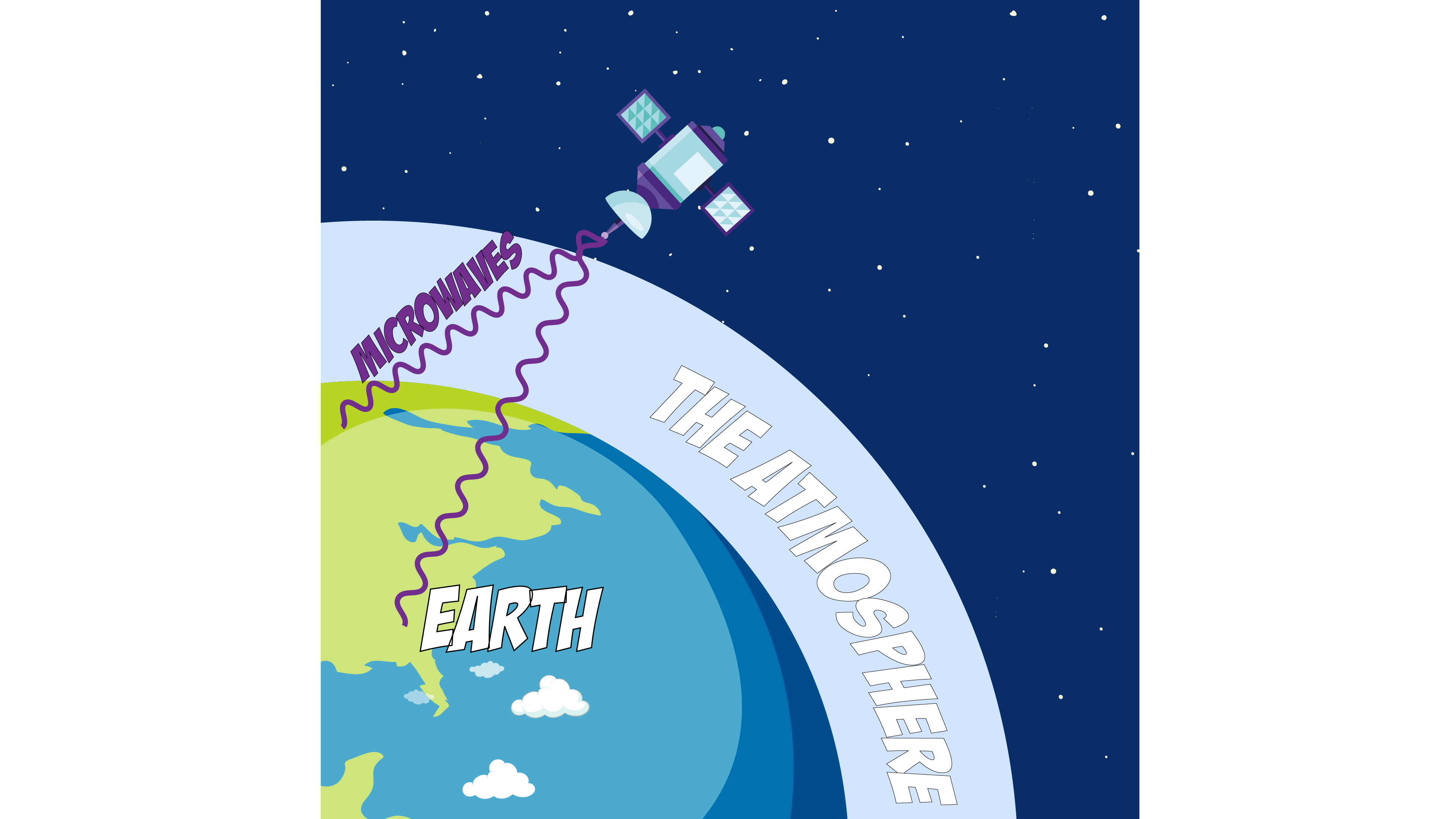
- Ideal for SATELLITE COMMUNICATIONS because they can penetrate the Earth's atmosphere with little interference.
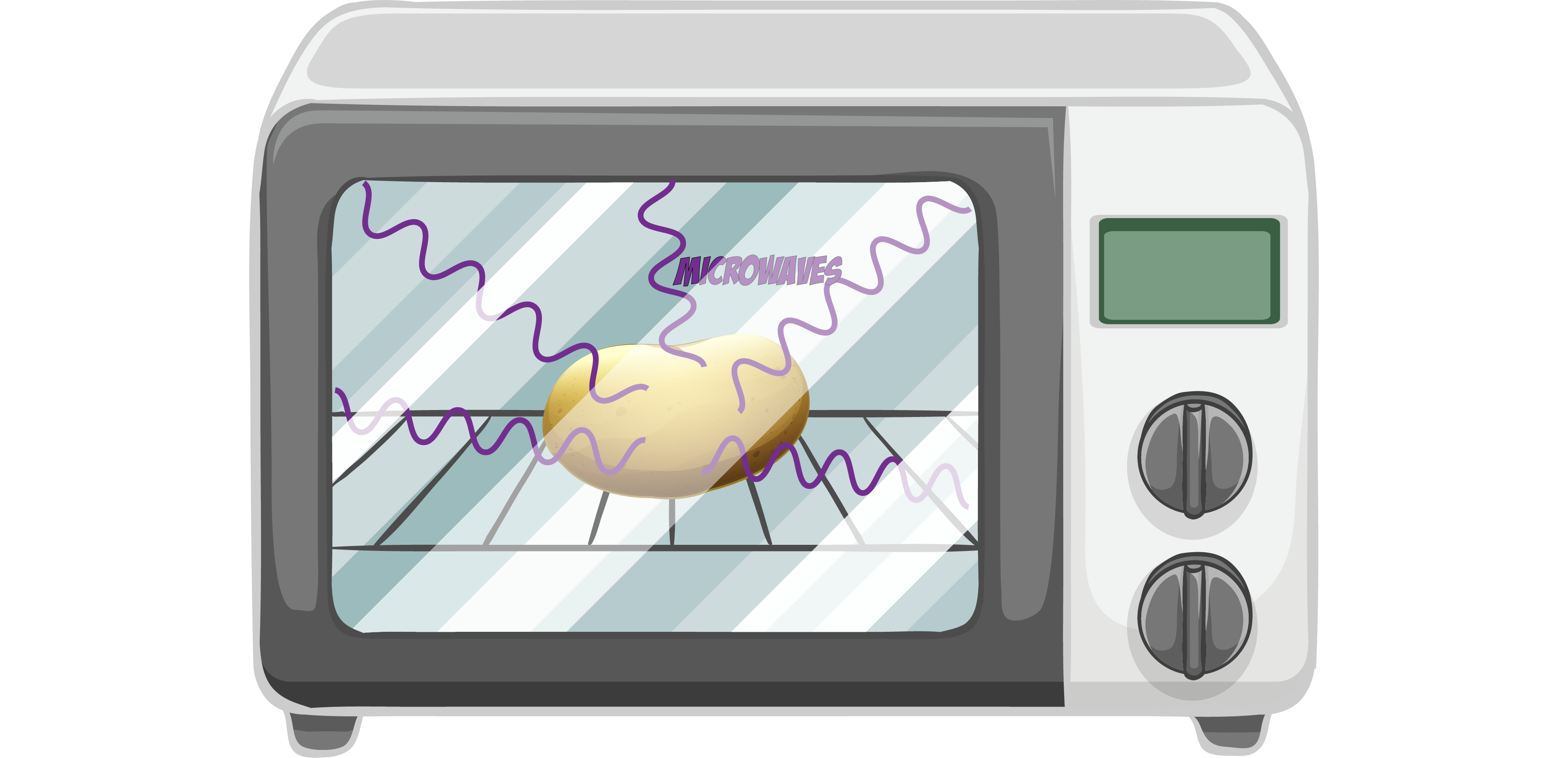
- In COOKING, microwaves excite water molecules in food, heating it quickly and efficiently.
Infrared:
- ELECTRICAL HEATERS utilise infrared as it directly warms objects and people rather than the air around them.
- Infrared is also used in cooking for its heating properties and in INFRARED CAMERAS to detect heat, which is useful in night-vision devices.

Visible Light:
- This is used in FIBRE OPTIC COMMUNICATIONS. Visible light can carry large amounts of data over long distances with very little loss of signal.

Ultraviolet:
- Employed in ENERGY-EFFICIENT LAMPS where UV light is converted into visible light.
- Used in TANNING BEDS.

X-rays and Gamma Rays:
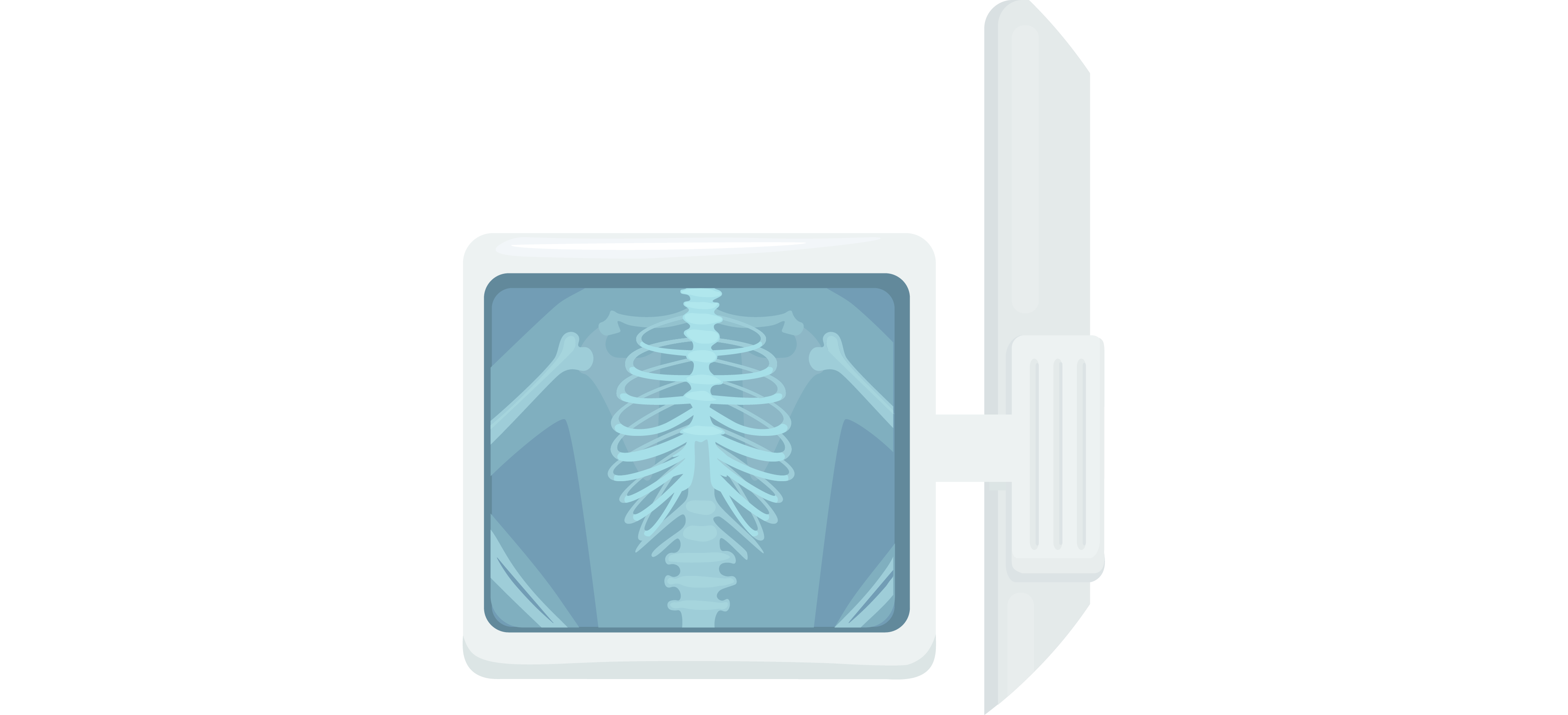
- Critical in MEDICAL IMAGING, such as X-ray radiography, to view the internal structure of the body.
- GAMMA RAYS are used in cancer treatment to target and destroy cancer cells.