Hydrocarbons
Hydrocarbons are compounds made up of CARBON and HYDROGEN atoms ONLY. They have different properties that can change with the size of their molecules. These properties include:
1. BOILING POINT:
This is the TEMPERATURE at which a substance changes from a liquid to a gas.

As the molecular size increases, the INTERMOLECULAR FORCES between the molecules INCREASES. This means that MORE ENERGY is needed to break these forces, resulting in HIGHER BOILING POINTS.
2. VISCOSITY:
Viscosity refers to how THICK a liquid is in comparison to water.

With hydrocarbons, the LARGER the molecules, the HIGHER the viscosity.
3. FLAMMABILITY:
This is the ability of a substance to CATCH FIRE or IGNITE.

SMALLER hydrocarbon molecules tend to be MORE FLAMMABLE compared to larger ones.
HYDROCARBONS AS FUELS
When hydrocarbons are used as FUELS, these properties affect how they are utilised. For example:
- Boiling Point: Hydrocarbons with LOW BOILING POINTS tend to be GASES at room temperature so can easily be COMPRESSED and stored in canisters.
- Viscosity: A high viscosity might affect how easily a fuel FLOWS through pipes.
- Flammability: A fuel that ignites easily may need more SAFTEY PRECAUTIONS when being used.
During COMBUSTION, which is the process of burning, hydrocarbons RELEASE ENERGY.
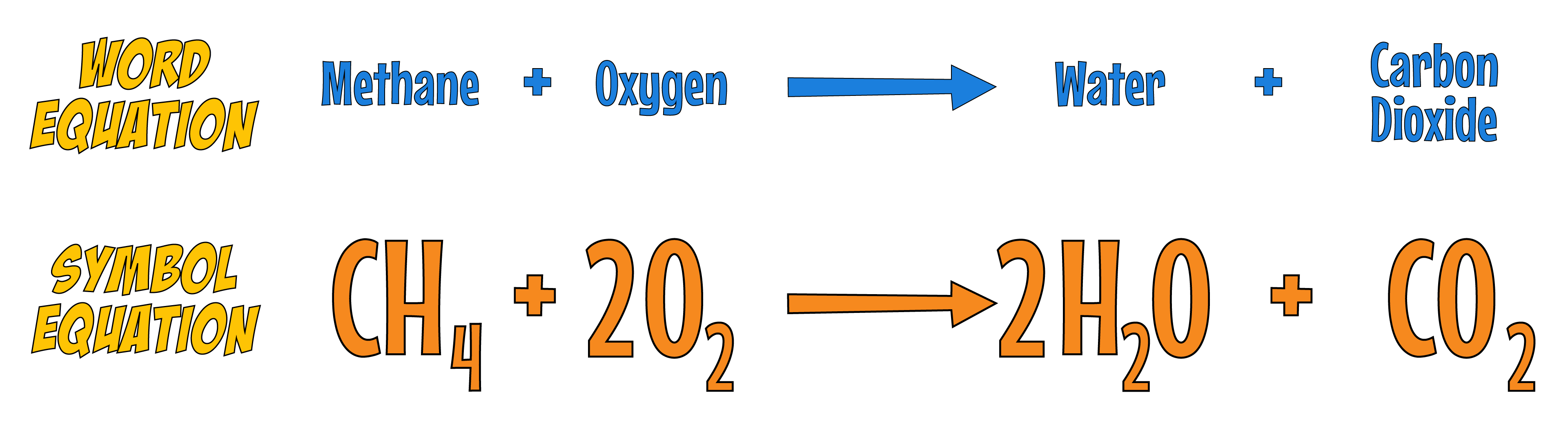
Complete combustion means that the hydrocarbon reacts with OXYGEN to form CARBON DIOXIDE and WATER. Here is an example: