
Required Practical: Density
This practical involves calculating the density of a REGULAR object and an IRREGULAR object:
Regular Objects:
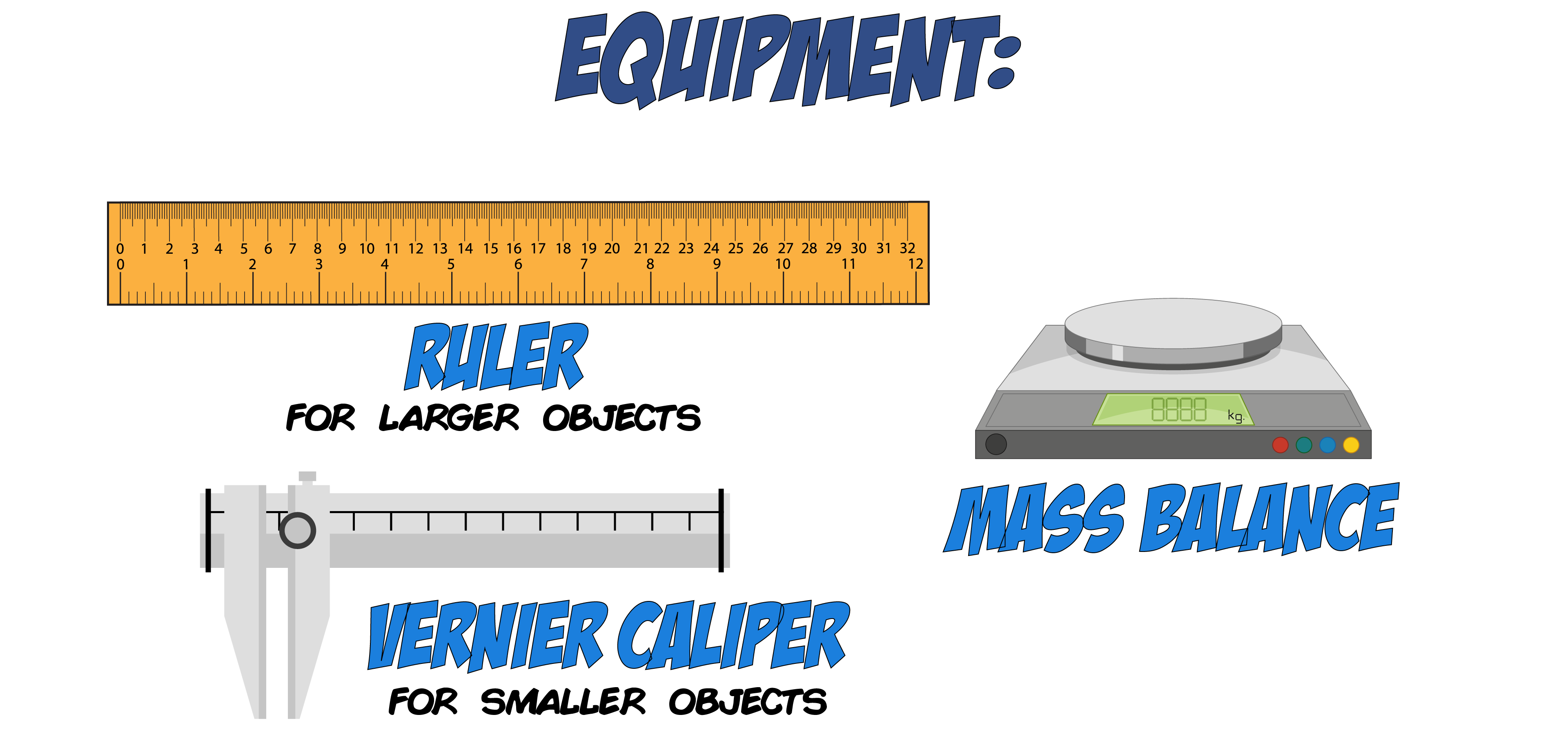
To find the DENSITY of a regular-shaped object like a box:
- Measure the LENGTH, WIDTH, and HEIGHT of the box and multiply these dimensions to calculate the VOLUME.
- Use a MASS BALANCE to determine the MASS of the box.
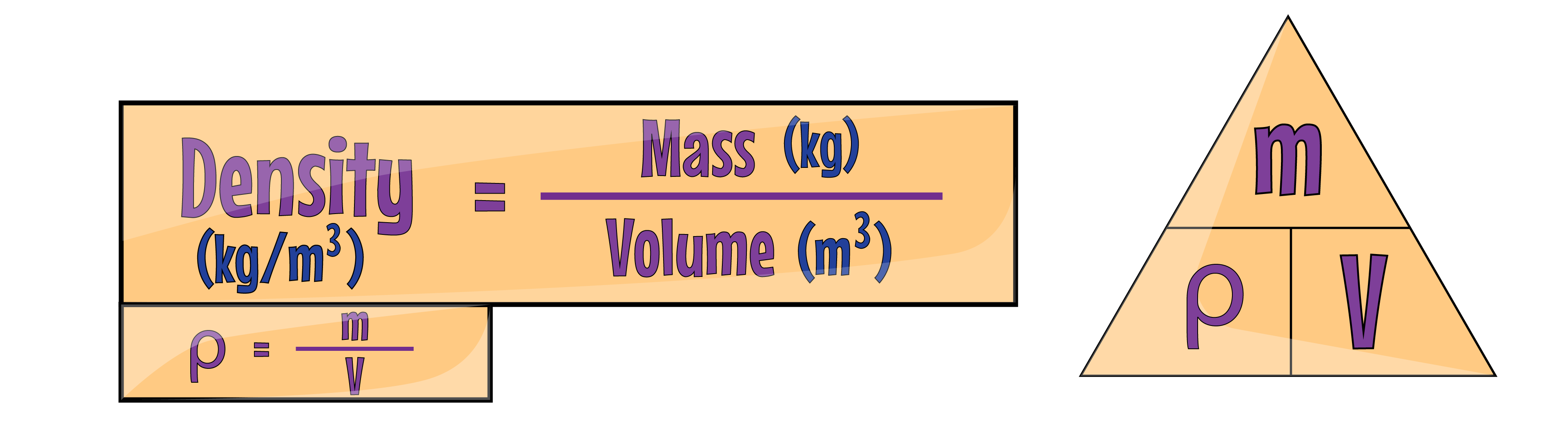
- Apply the values to the DENSITY EQUATION.
For Irregular Objects:
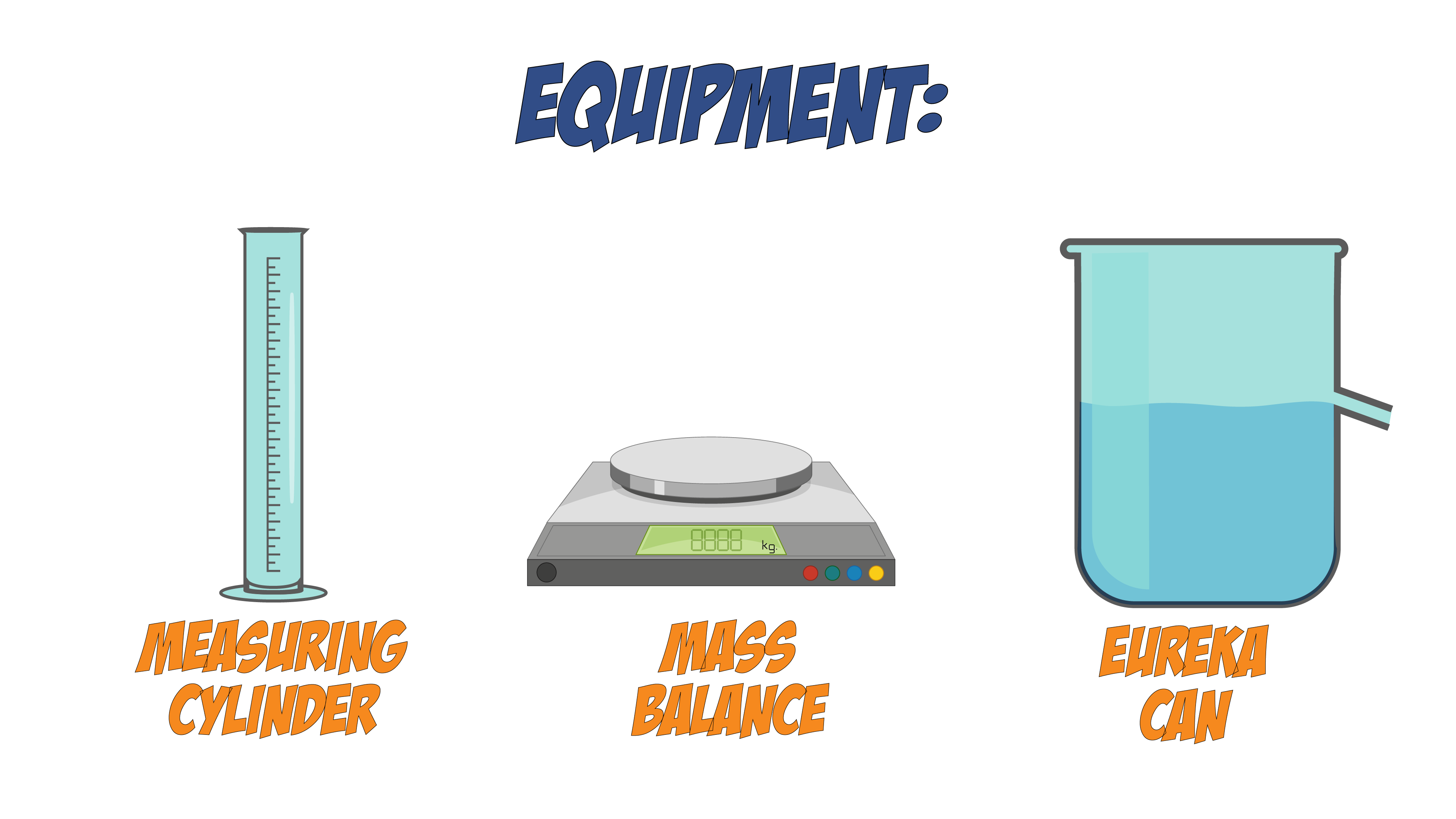
For objects with an irregular shape, such as a key, the DISPLACEMENT TECHNIQUE is used:
- Measure the MASS of the object using a MASS BALANCE.
- Fill a Eureka can with water to the brim, and place a MEASURING CYLINDER under the spout.
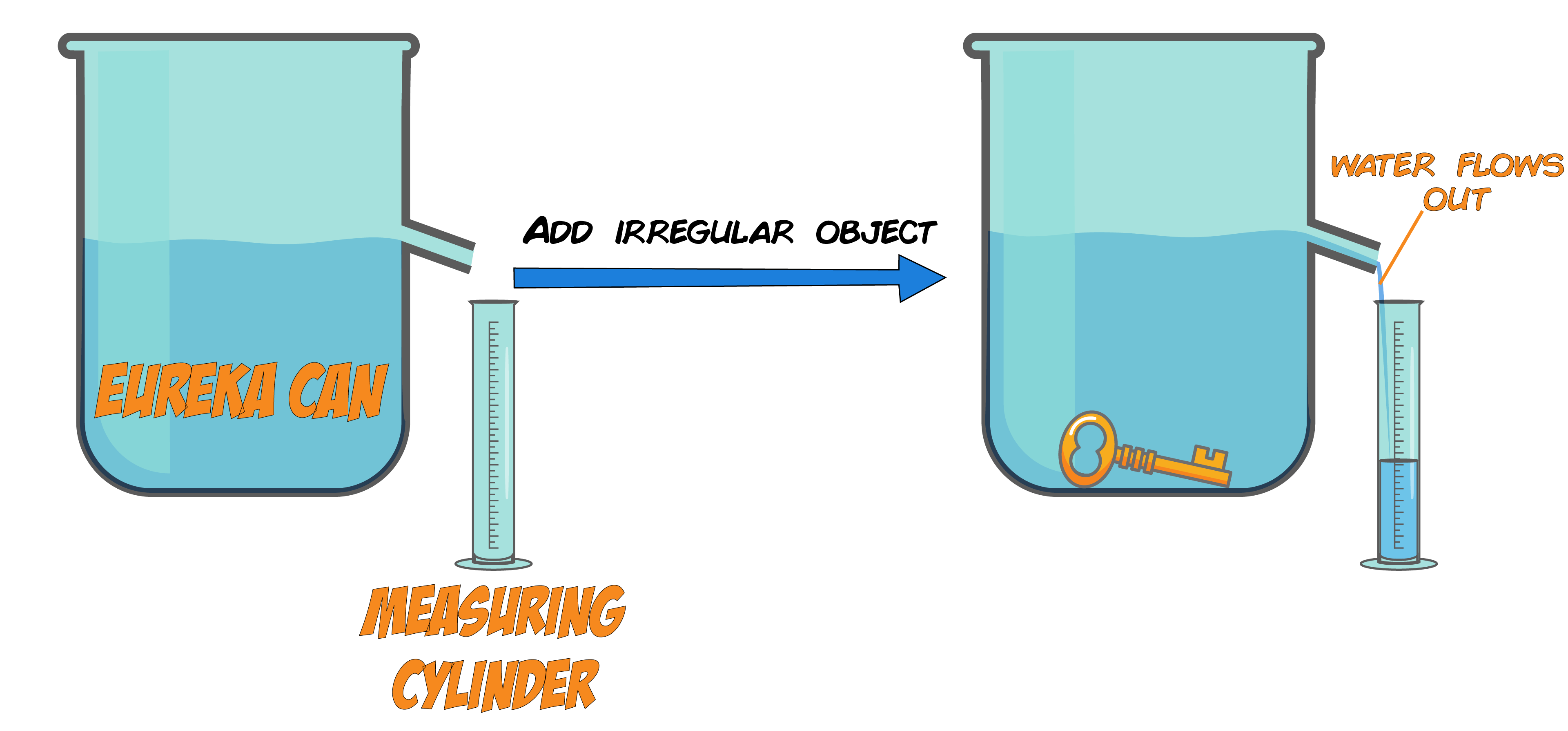
- Submerge the irregular object in the Eureka can. The water displaced will pour into the measuring cylinder.
- The VOLUME of water displaced and collected in the measuring cylinder, equals the VOLUME of the object.
- Use both the MASS and the VOLUME in the DENSITY EQUATION to calculate the object's DENSITY.