
Energy Transfer in a System
The principle of CONSERVATION OF ENERGY states that energy cannot be created or destroyed, only transferred between different ENERGY STORES.
Energy Dissipation
However, not all energy transfers are useful. DISSIPATION of energy refers to energy that is wasted or not usefully employed by a device.
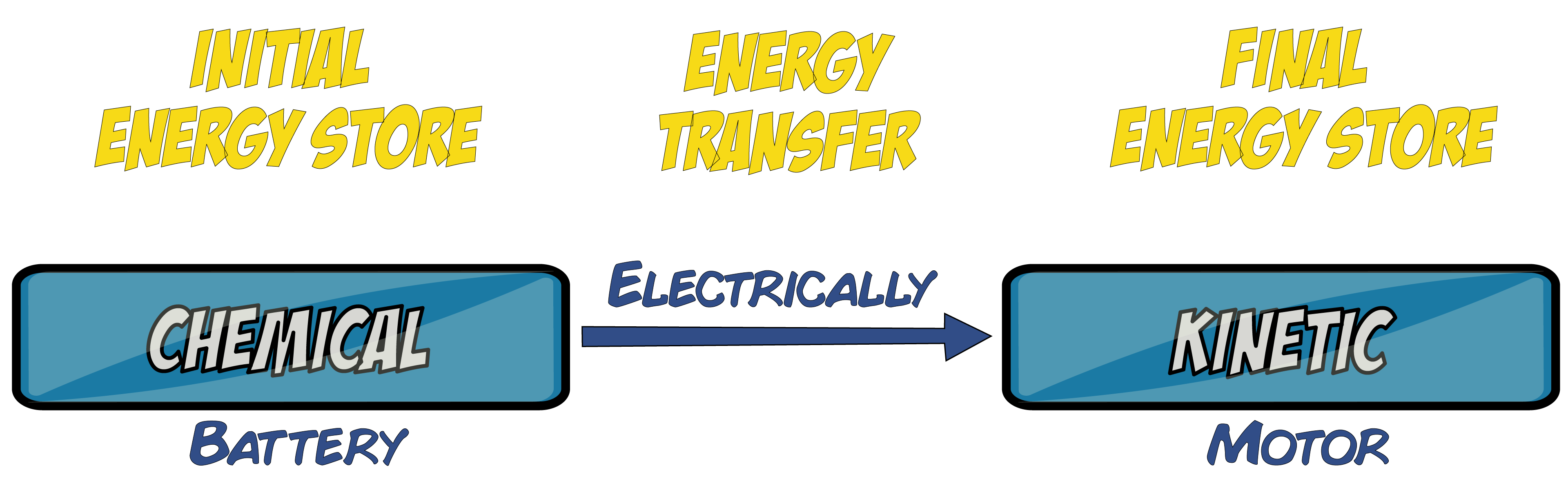
An example of a beneficial transfer is when your phone rings and VIBRATES.

Energy moves from the CHEMICAL energy store of the battery, ELECTRICALLY, to the KINETIC energy store of the phone's motor, causing it to vibrate.
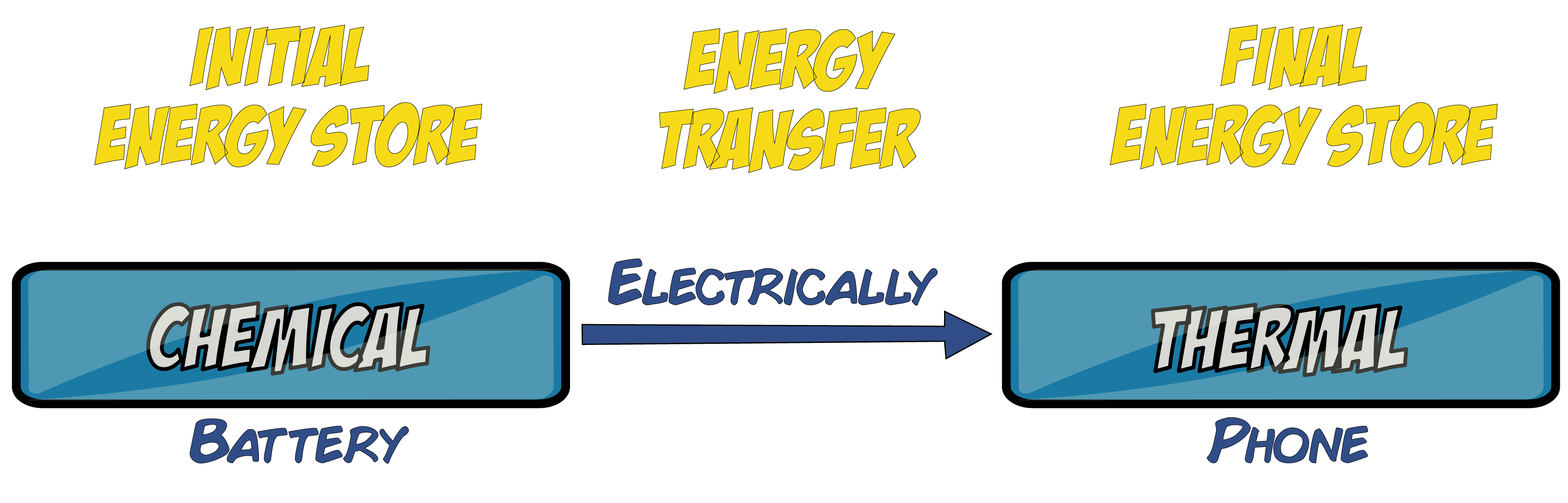
But sometimes a phone gets WARM during use. This is because energy is moving from the battery's CHEMICAL store, ELECTRICALLY, to the THERMAL energy store of the phone itself – this is NOT useful to the phone, and wastes energy. This is an example of DISSIPATION of energy.
Reducing Unwanted Energy Transfers
To maximise efficiency and minimise costs, it's important to reduce unwanted energy transfers, especially the DISSIPATION of heat. This is often seen in houses, where heat loss can lead to higher bills.
To reduce these unwanted losses, you can install following in your house:
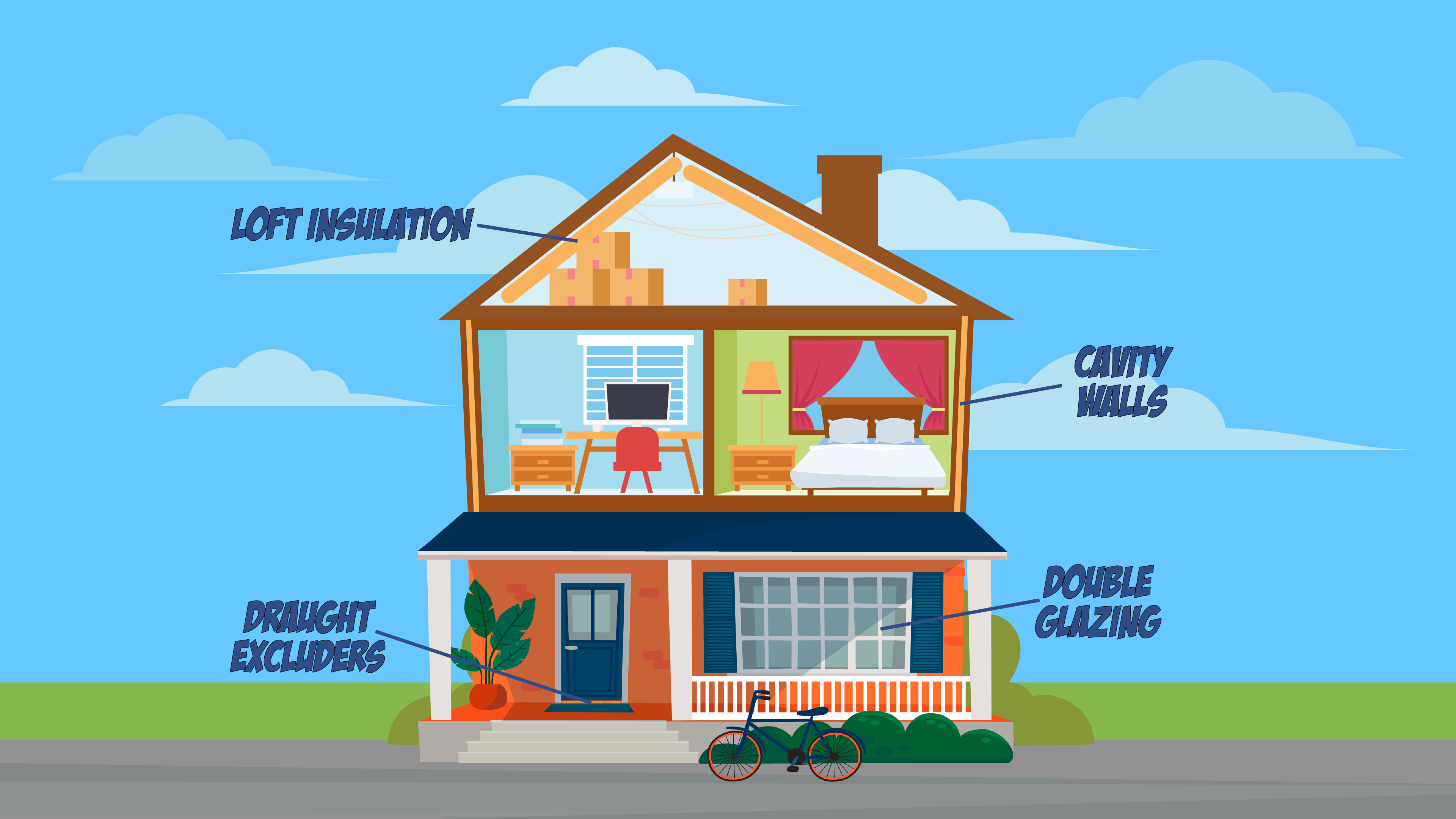
1. CAVITY WALLS:
- THERMAL CONDUCTIVITY is a measure of how well a material conducts heat. If a material has high thermal conductivity, it means heat can pass through it quickly. This is why metals, which have high thermal conductivity, feel cold to the touch; they are transferring heat away from your hand rapidly.
- When it comes to buildings, the rate at which a building loses heat is influenced by the THICKNESS of the walls and their THERMAL CONDUCTIVITY. Thick walls with low thermal conductivity are better at keeping heat inside, which is why insulation is so important in homes.
- If the walls are thin or made of materials with high thermal conductivity, the building will cool down quickly because heat escapes faster.
- To reduce heat losses even more, houses are constructed with two separate walls and an air gap between them, reducing energy transfer by CONDUCTION as air has a LOW CONDUCTIVITY. Filling this gap with INSULATION FOAM (which has an even lower conductivity) increases this effect even more.
2. LOFT INSULATION:
Made from materials with low thermal conductivity, loft insulation reduces energy loss through both CONDUCTION and CONVECTION.
CONVECTION occurs when liquids and gases are able to MOVE and transfer heat.
3. DOUBLE GLAZING WINDOWS:
By having two layers of glass with trapped gas between them, these windows lessen energy loss due to CONDUCTION and CONVECTION.
4. DRAUGHT EXCLUDERS:
Placed around doors and windows, they are designed to prevent hot air from escaping, thus reducing CONVECTION losses.
Minimising Frictional Forces
Another way to reduce unwanted energy transfers is by minimising FRICTIONAL FORCES.
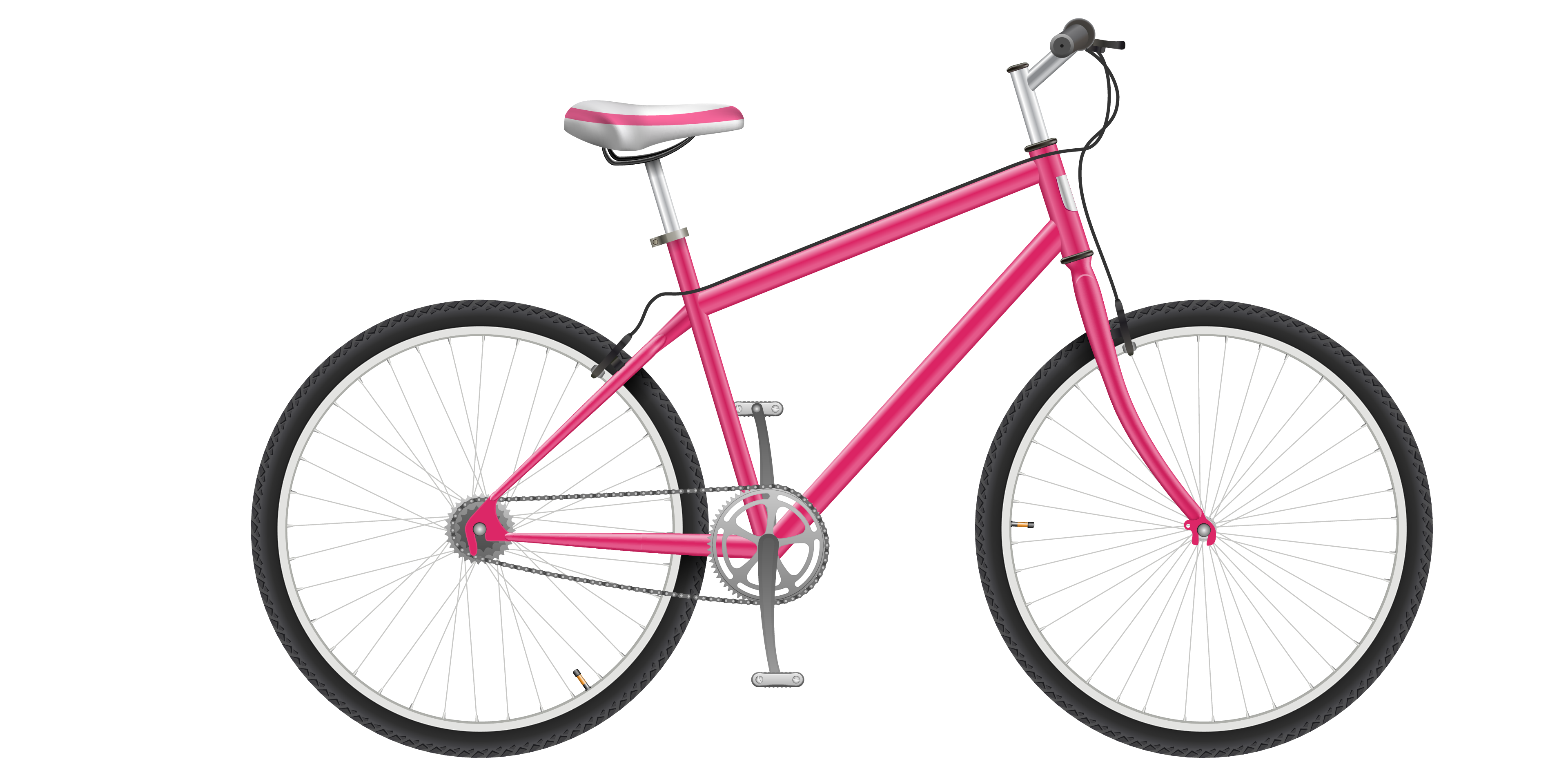
Take the example of a BICYCLE. As you ride, the chain moves over sprockets. This movement causes FRICTION between the chain links and the sprockets.
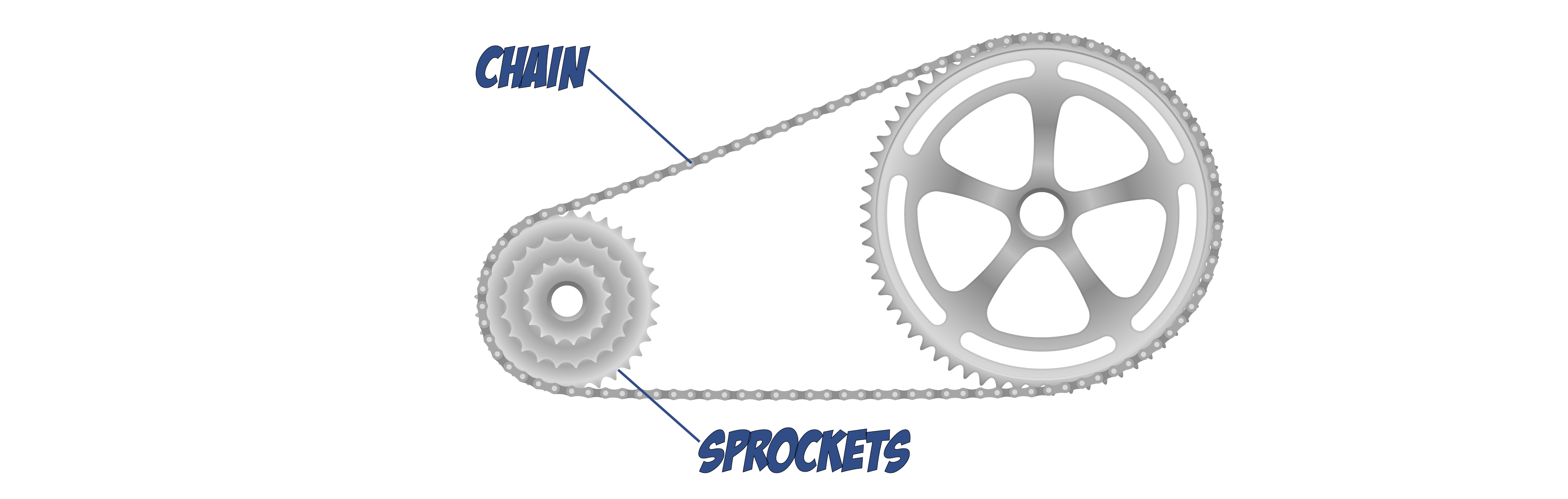
Friction converts some of the KINETIC energy, which should be moving the bike forward, into THERMAL ENERGY. That's energy not being used as intended and is, therefore, wasted.
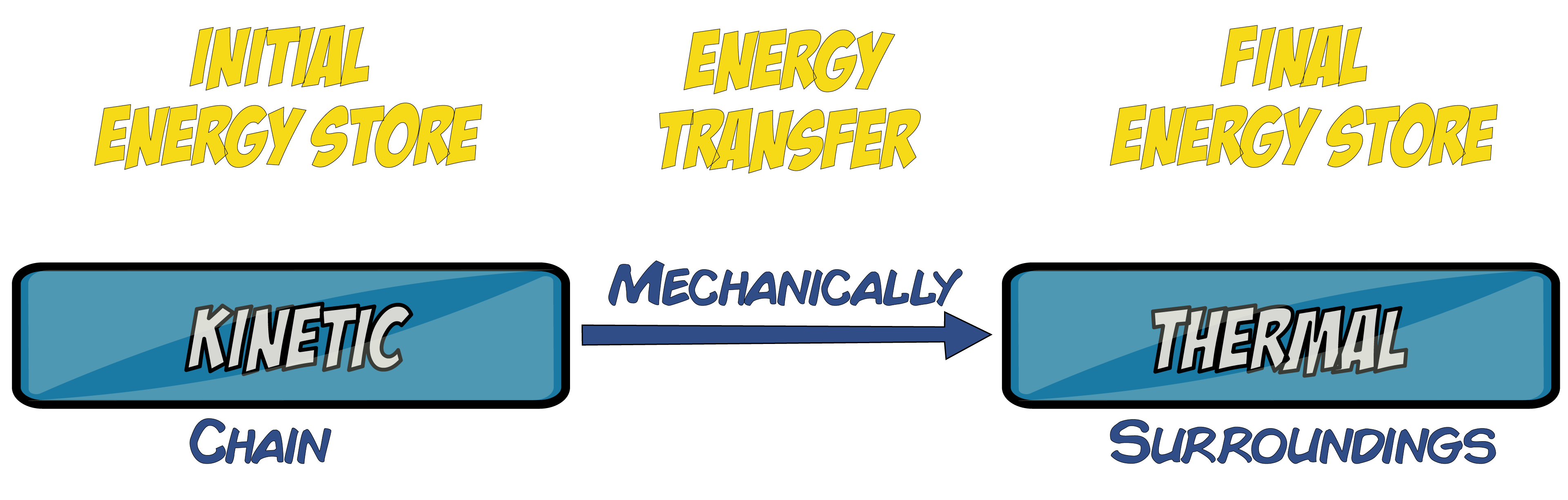
To combat this, you can LUBRICATE the chain with oil. Lubrication reduces friction and allows for a smoother movement of the chain over the sprockets. This means more of the kinetic energy is used to propel the bike forward, making your ride more EFFICIENT.