Revision notes for AQA GCSE Chemistry specification point RPA4, Required Practical: Energy Changes.
Required Practical: Investigating Energy Changes
ENERGY TRANSFER in chemical reactions can be measured by monitoring TEMPERATURE CHANGES.
The LARGER the temperature change, the LARGER the energy transferred.
You can use this to investigate how the amount of reactants in a reaction affects the amount of energy transferred.
Variables like REACTANT MASS and CONCENTRATION can be investigated.
You can apply the method to measure the energy change in NEUTRALISATION REACTIONS, reactions of METALS with ACIDS, DISPLACEMENT reactions, and reactions between CARBONATES and ACIDS.
Set Up:
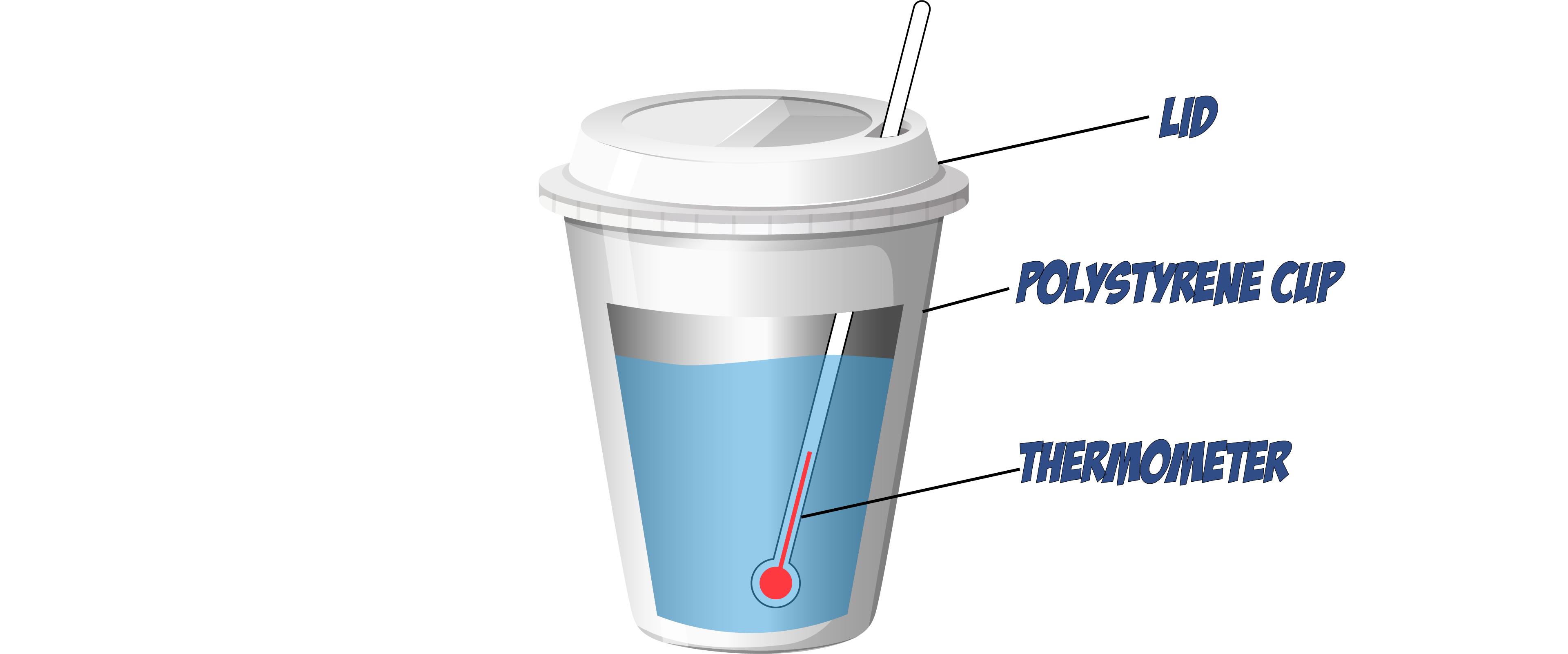
Insulation: Use a POLYSTYRENE CUP with a lid for insulation to minimise energy loss to the surroundings.
Method for a Neutralisation Reaction:
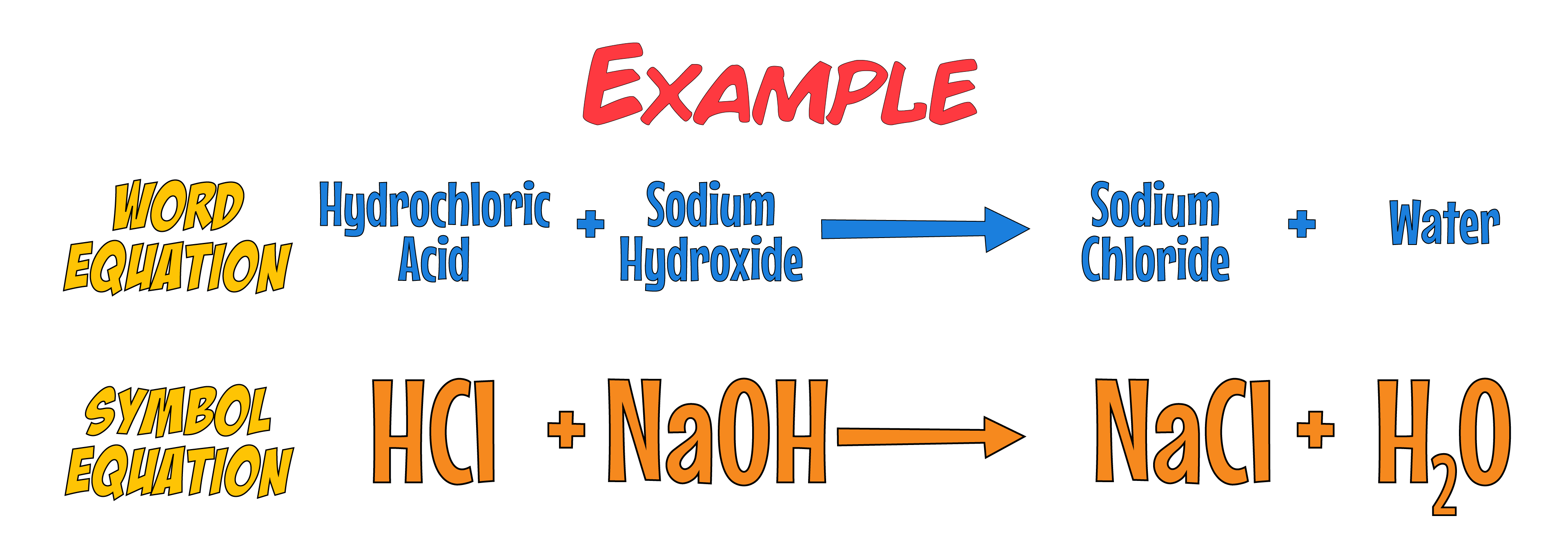
Prepare separate solutions of Hydrochloric acid (HCl) and Sodium Hydroxide (NaOH) with known concentrations.
Measure the INITIAL TEMPERATURE of the solutions.
Mix the reactants in the insulated cup and immediately cover with a lid to prevent heat loss.
Stir the solution.
Measure the temperature at regular intervals (e.g. every 30 seconds) and record the HIGHEST temperature reached.
Calculate the temperature difference between the INITIAL and HIGHEST temperature readings.
Repeat this process for DIFFERENT CONCENTRATIONS of acid.
Method for a Reaction between an Acid and a Metal:
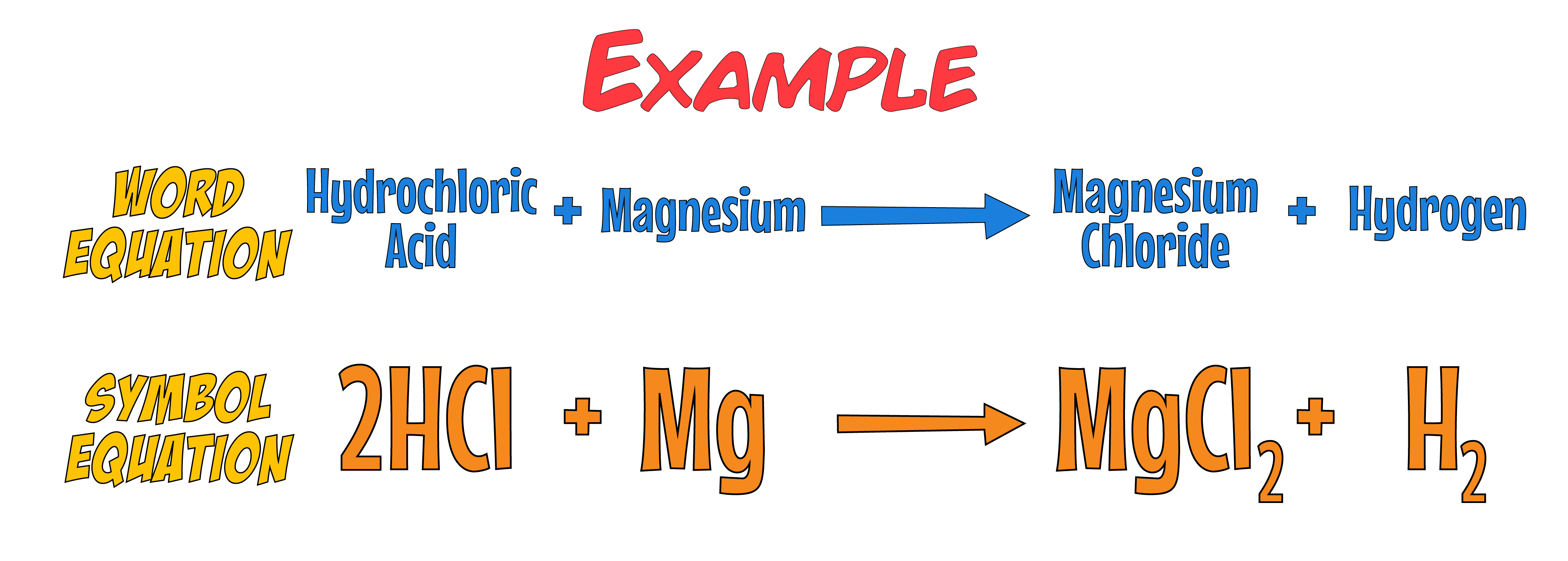
Add a solution of Hydrochloric acid (HCl) to the insulated cup.
Measure the INITIAL TEMPERATURE of the solutions.
Add a KNOWN MASS of Magnesium and immediately cover with a lid to prevent heat loss.
Stir the solution.
Measure the temperature at regular intervals (e.g. every 30 seconds) and record the HIGHEST temperature reached.
Calculate the temperature difference between the INITIAL and HIGHEST temperature readings.
Repeat this process for DIFFERENT MASSES of Magnesium.