
Alcohols
ALCOHOLS are organic compounds containing the FUNCTIONAL GROUP (-OH) attached to a carbon atom. This group is responsible for the unique properties and reactions of alcohols.

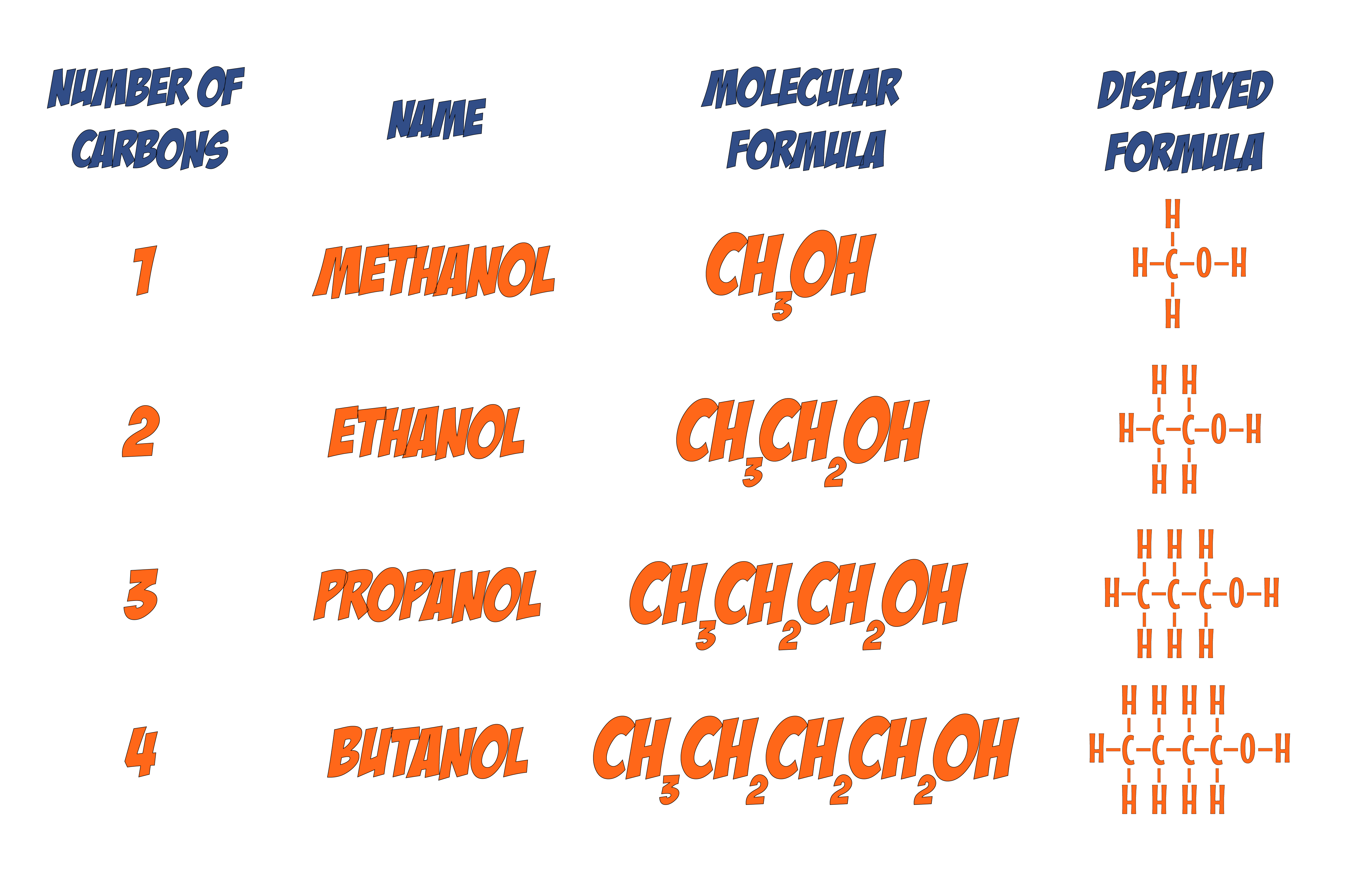
EXAMPLES of alcohols include METHANOL (CH₃OH), ETHANOL (C₂H₅OH), PROPANOL (C₃H₇OH), and BUTANOL (C₄H₉OH), which are the FIRST FOUR MEMBERS of the alcohol HOMOLOGOUS series.
Reactions of Alcohols
COMBUSTION:
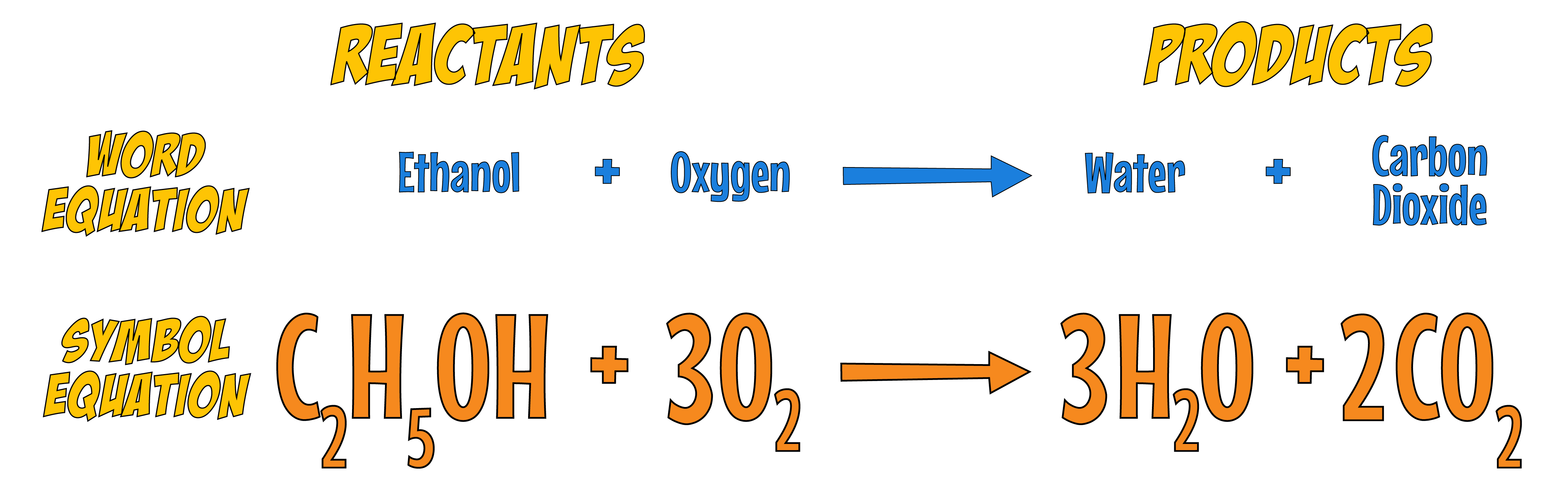
- Alcohols burn in air to produce WATER and CARBON DIOXIDE.
SOLUBILITY IN WATER:
- ALCOHOLS do NOT react when added to WATER.
- They are SOLUBLE in water and form solutions with a NEUTRAL pH.
REACTION WITH SODIUM:
- SODIUM reacts with alcohols to produce HYDROGEN GAS.
- Chemical Equation not needed
OXIDATION:
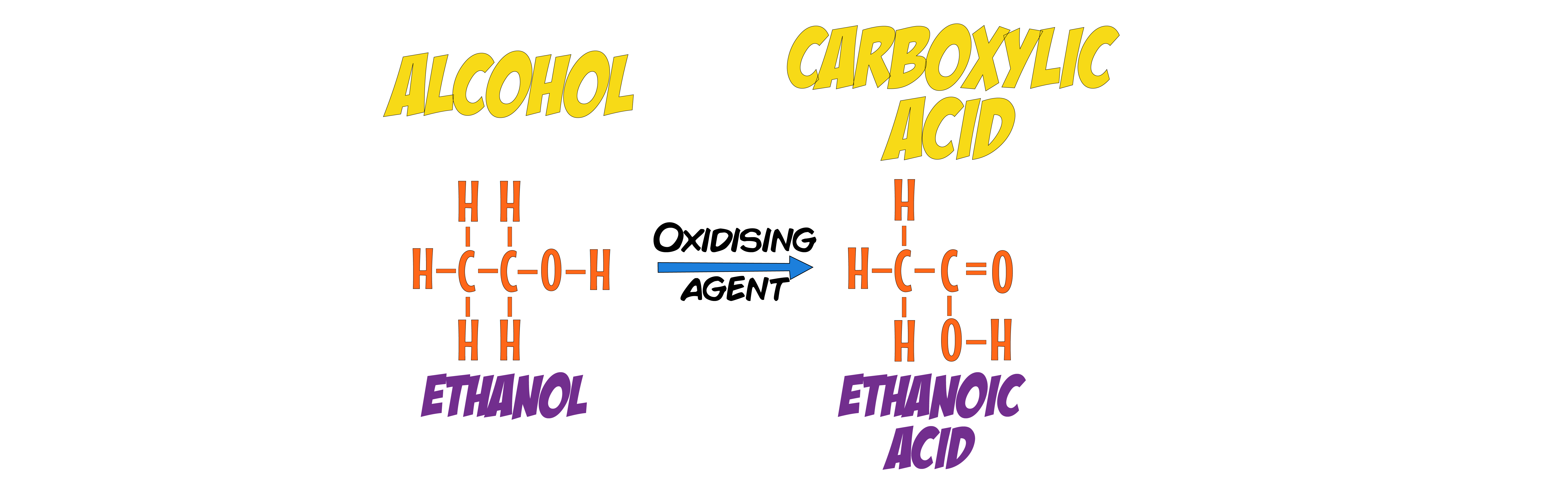
- Alcohols can be OXIDISED using an OXIDISING AGENT to form CARBOXYLIC ACIDS.
- Chemical Equation not needed
Uses Of Alcohols
- SOLVENT: Due to their ability to DISSOLVE ORGANIC COMPOUNDS, alcohols are widely used as solvents in INDUSTRIES.
- FUEL: Ethanol is often used as a BIOFUEL, either in its PURE FORM or as a blend with GASOLINE.
- DISINFECTANT: Alcohols are used in HAND GELS as they KILL MICROBES.
Fermentation
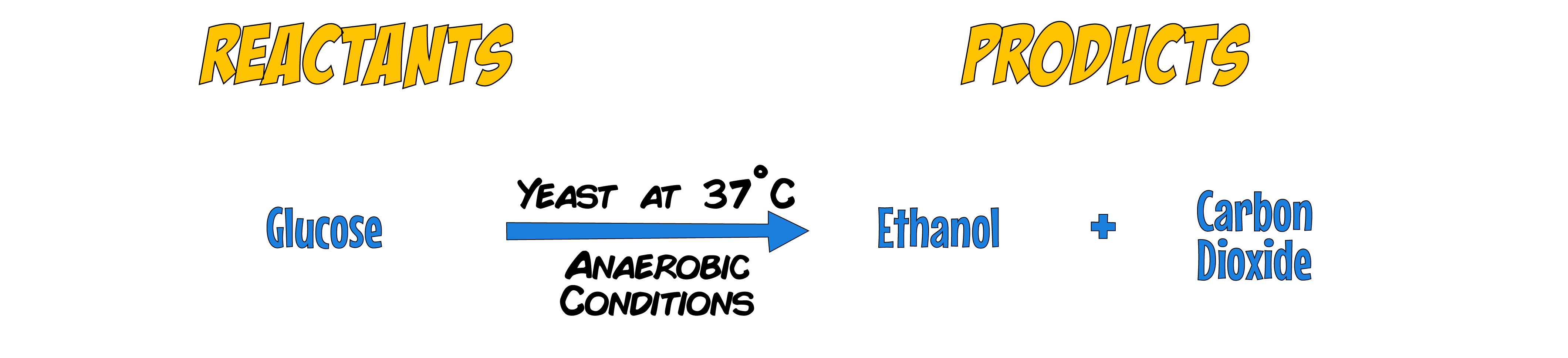
FERMENTATION is a BIOLOGICAL process where SUGARS ARE CONVERTED into ETHANOL and CARBON DIOXIDE by the action of YEAST.
This process requires:
- ANAEROBIC CONDITIONS (absence of oxygen)
- TEMPERATURES OF 37°C
- SLIGHTLY ACIDIC pH LEVELS