
Reactions of Alkenes
The double bond makes alkenes MORE REACTIVE THAN ALKANES.
COMBUSTION:
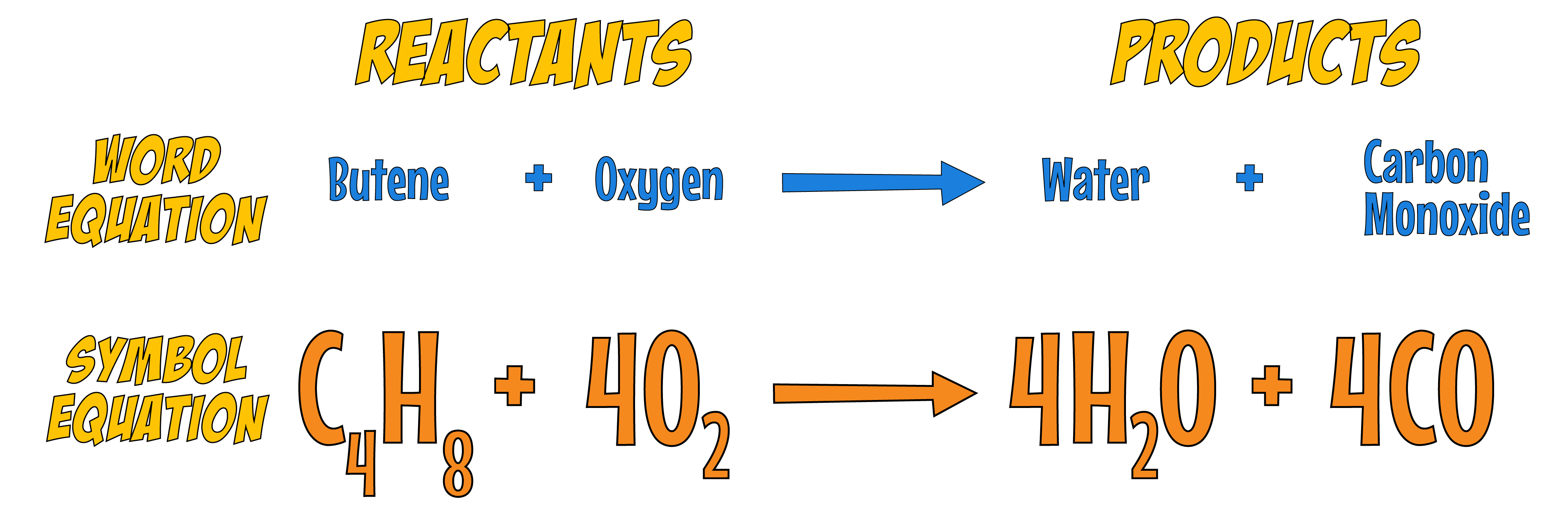
Alkenes undergo combustion similar to other hydrocarbons, but they tend to burn with a SMOKEY FLAME due to INCOMPLETE COMBUSTION, producing CARBON (soot) or CARBON MONOXIDE (CO). Here's an example of the reaction:
ADDITION REACTIONS:
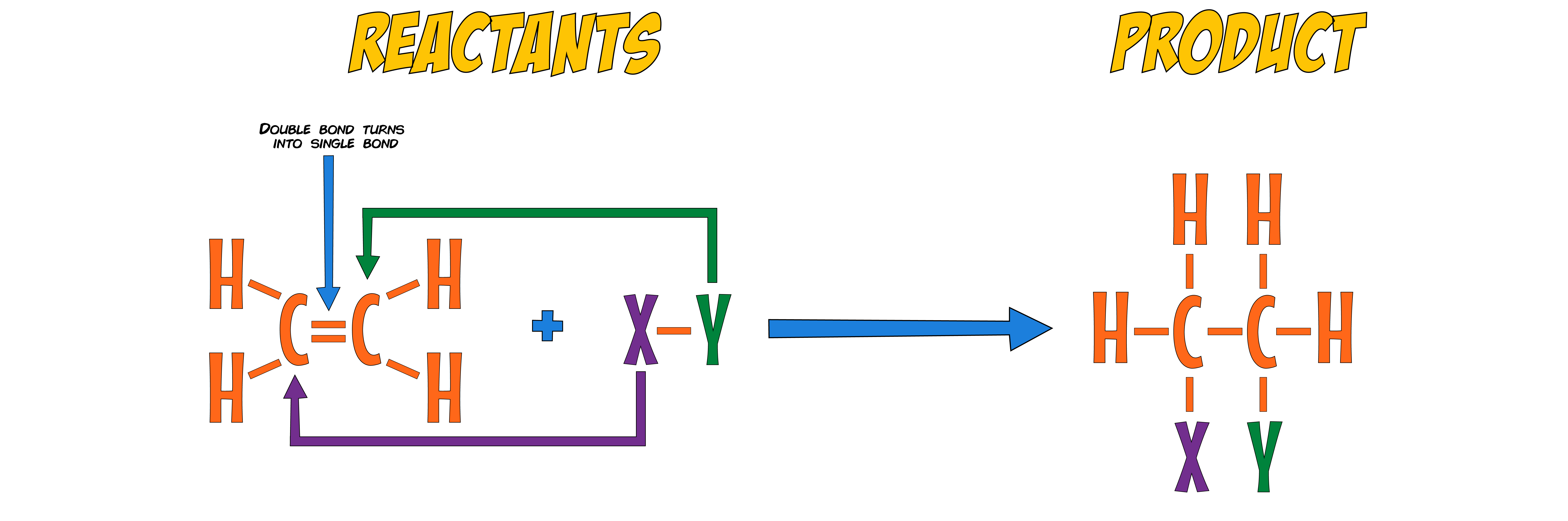
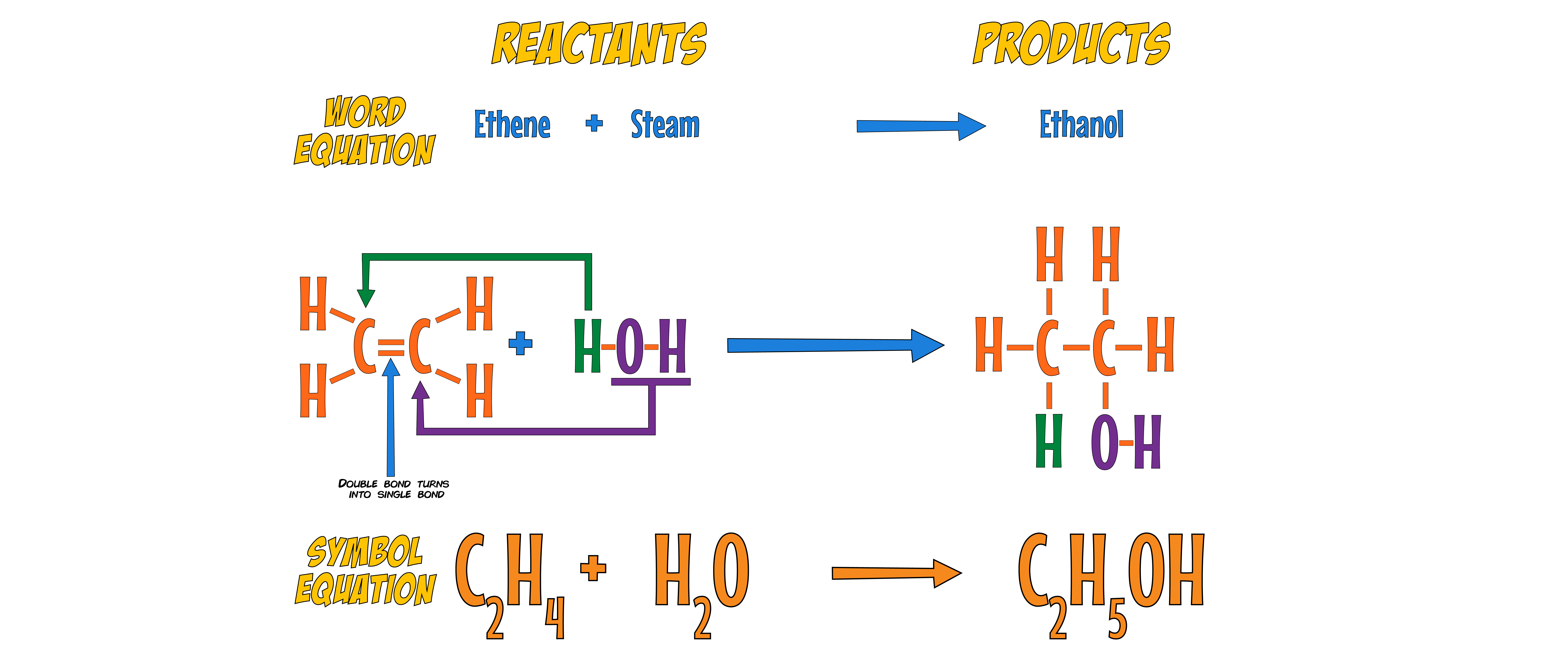
ADDITION reactions occur when the ATOMS of the reactant are ADDED ACROSS the DOUBLE BOND to form a SINGLE BOND.
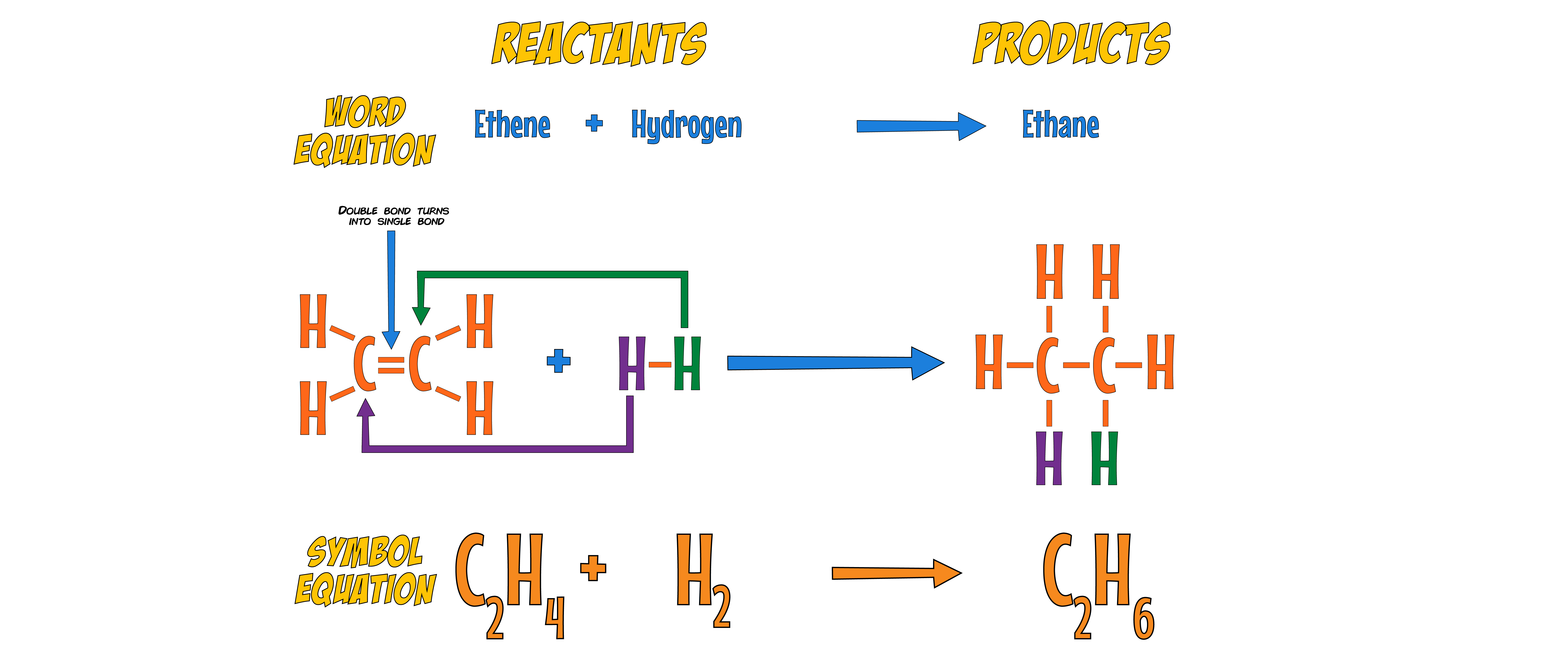
1. ALKENES WITH HYDROGEN:
- HYDROGEN(H₂) can be ADDED across the DOUBLE BONDS of alkenes to form SATURATED ALKANES in the PRESENCE OF A CATALYST such as NICKEL.
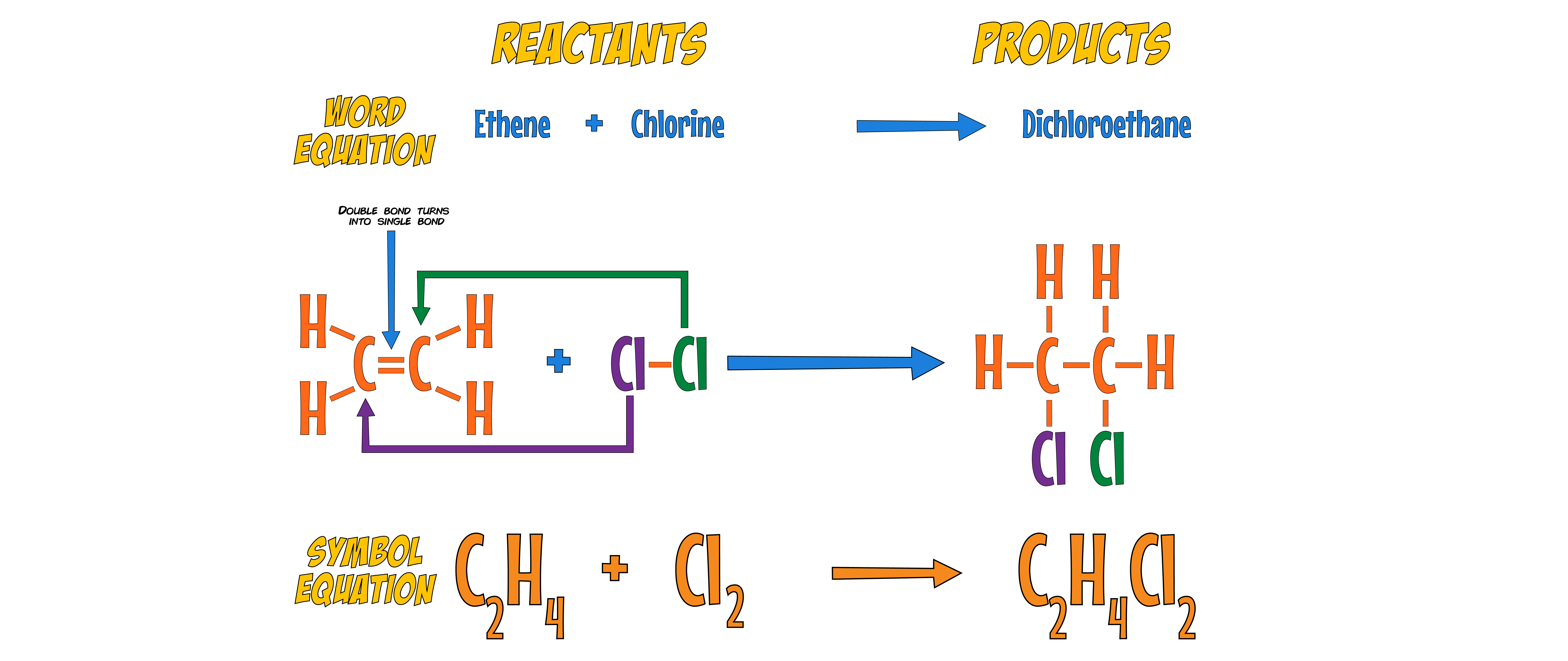
2. ALKENES WITH HALOGENS:
- Alkenes can react with HALOGENS like BROMINE (Br₂), CHLORINE (Cl₂), or IODINE(I₂) to form DIHALOGENATED COMPOUNDS.
3. ALKENES WITH STEAM:
- WATER(H₂O) can react with alkenes in the PRESENCE OF AN ACID CATALYST to form ALCOHOLS.
Test for Alkenes
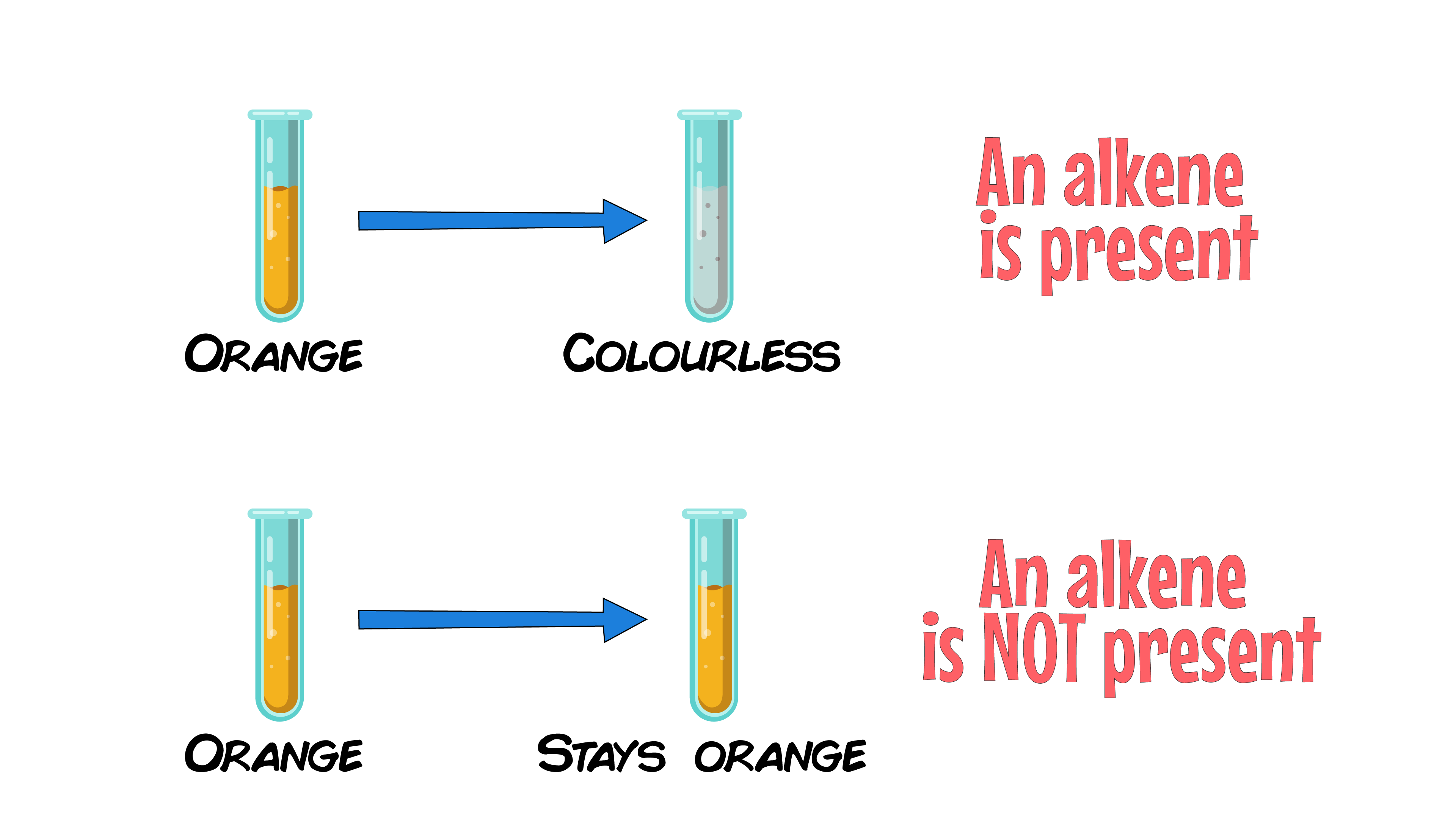
The test for ALKENES is the ADDITION REACTION with BROMINE WATER.
The colourless bromine water becomes DECOLOURISED when added to alkenes, indicating the PRESENCE OF A DOUBLE BOND.
USES OF ALKENES:
- To produce POLYMERS.
- As STARTING MATERIALS for making other chemicals.