
Metal Extraction
UNDERSTANDING METAL OXIDES
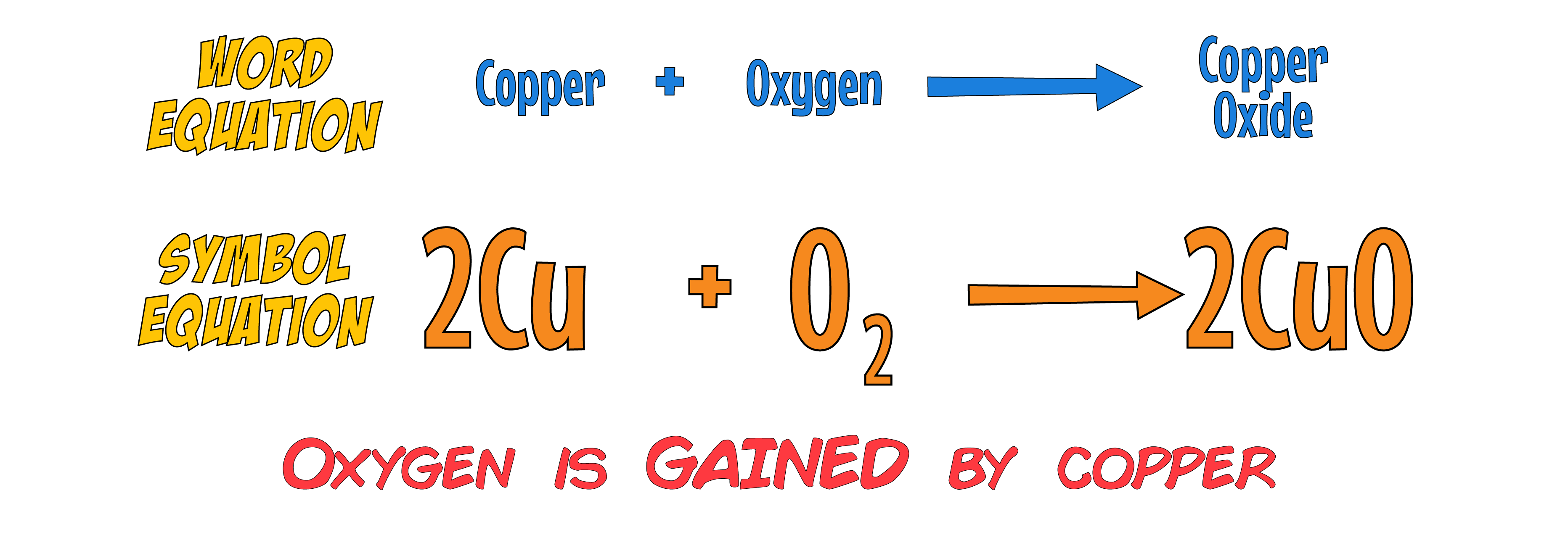
Metals combine with oxygen to form METAL OXIDES.

Most metals are found as METAL OXIDES in the environment in rocks called ORES, so they require chemical reactions to extract the PURE METAL from it.
OXIDATION AND REDUCTION
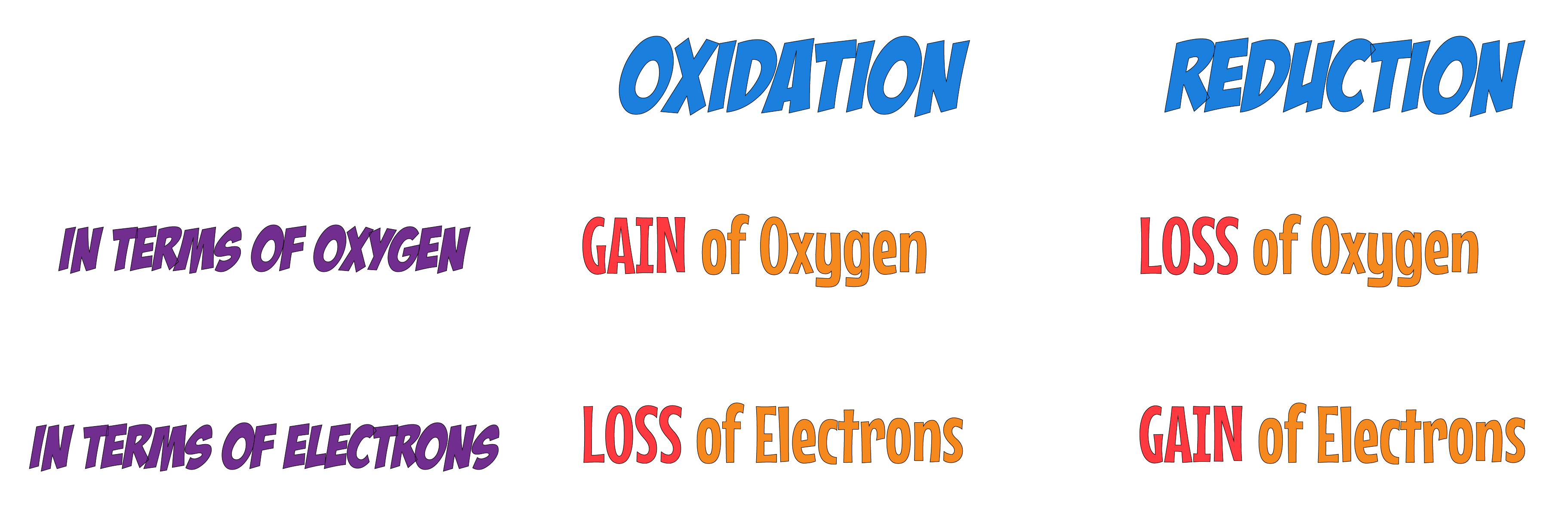
OXIDATION:
When metals like Iron or Aluminum react with Oxygen, they form metal oxides. This is known as oxidation, a chemical process involving the GAIN OF OXYGEN or the LOSS OF ELECTRONS.
REDUCTION:
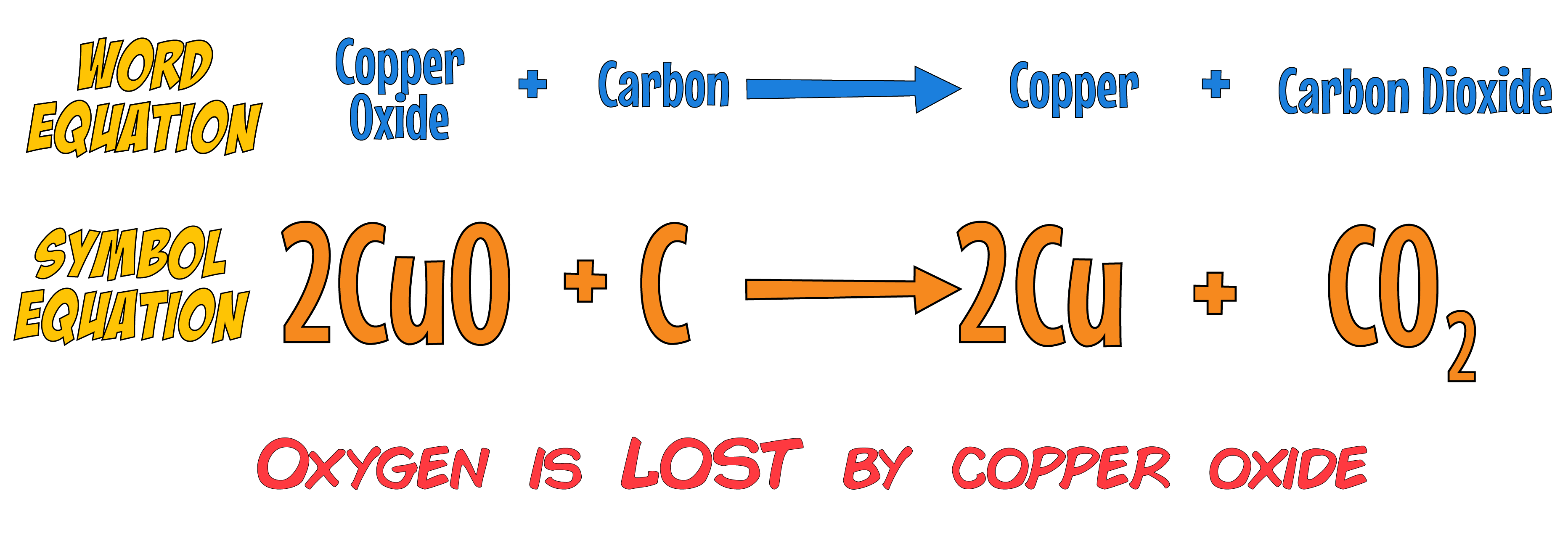
The process of EXTRACTING a metal from its oxide is known as a reduction reaction, because it involves the LOSS OF OXYGEN or the GAIN OF ELECTRONS.
EXTRACTION TECHNIQUES
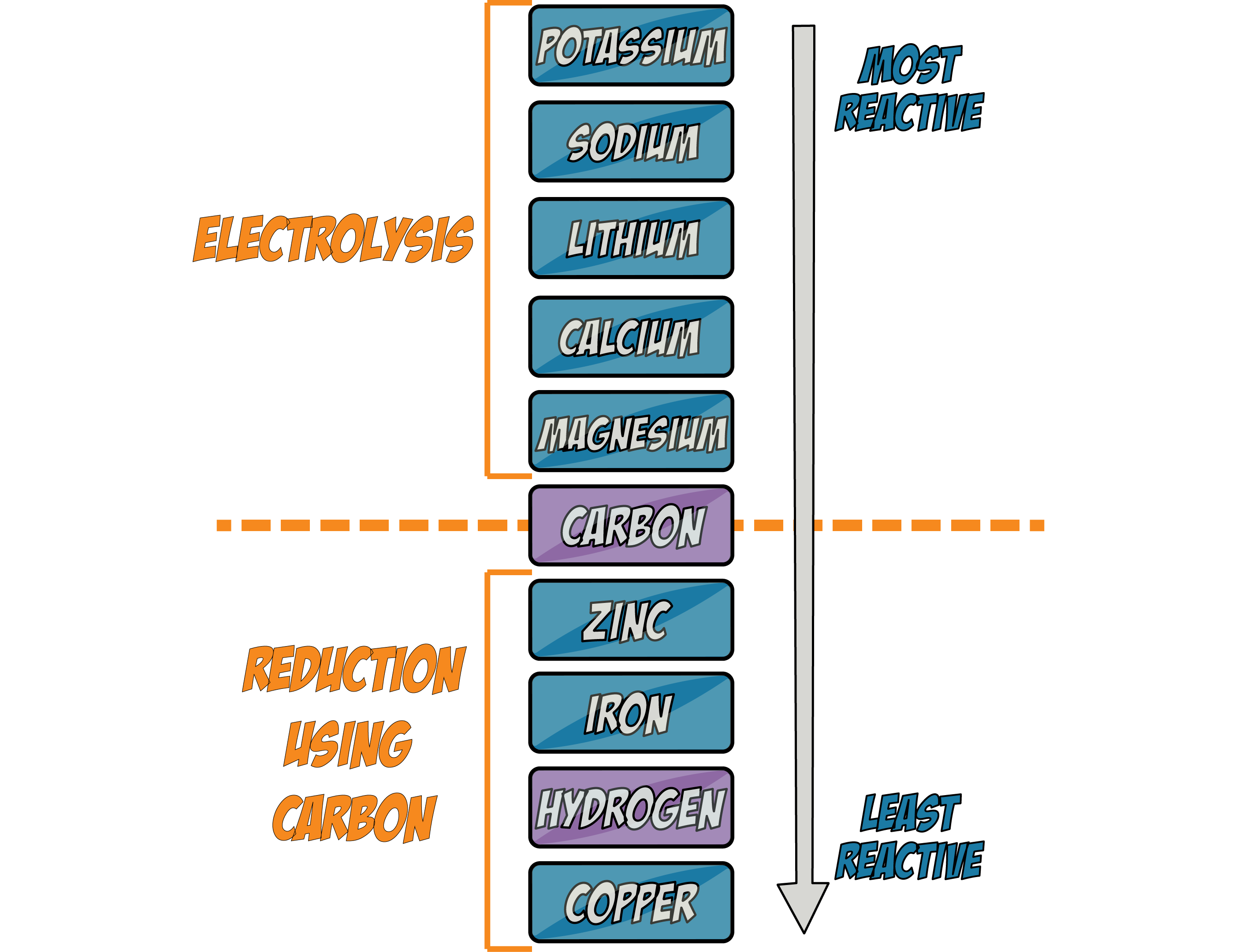
There are THREE methods of getting METALS from the Earth. The method that should be used is based on the metal's position in the reactivity series:
1. No Extraction
Metals that are UNREACTIVE like GOLD can be found on Earth as itself, so NO extraction is required. It can simply be collected.
2. Reduction with Carbon
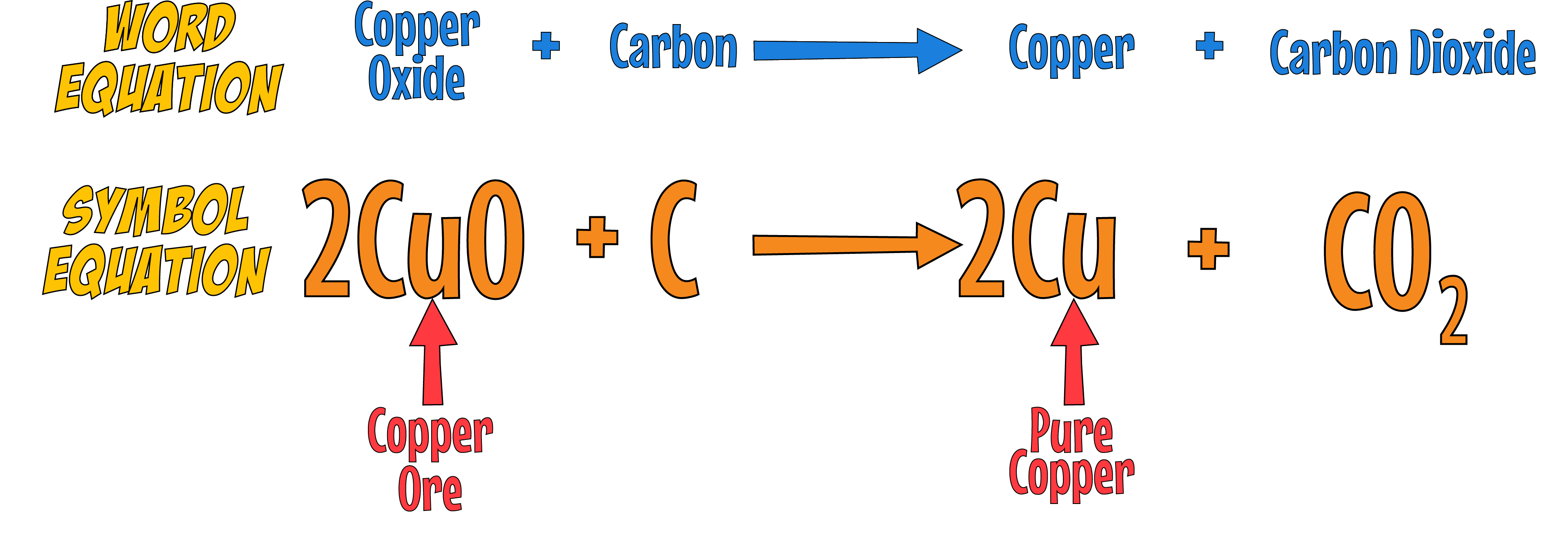
Metals LESS reactive than CARBON can be extracted using REDUCTION.
With these metals, carbon will always be MORE REACTIVE than the metal so it will REMOVE the oxygen from the metal and form CARBON DIOXIDE.
3. Electrolysis
Metals MORE reactive than CARBON will NOT be REDUCED by it. So ELECTROLYSIS is used instead which is a MORE EXPENSIVE method due to the cost of electricity. (see later notes)