
Decomposition
DECOMPOSERS are MICROORGANISMS like BACTERIA and FUNGI, that BREAK DOWN (decay) organic material.
Factors Affecting the Rate of Decay
The speed at which the decomposers decay the organic material depends on FOUR factors:
1. TEMPERATURE — Warmer temperatures (35°C) accelerate decay by increasing the activity of ENZYMES involved in decomposition. However, if temperatures are TOO HIGH, the enzymes in the decomposers DENATURE which DECREASES the rate of decay.
2. OXYGEN AVAILABILITY — Many organisms need oxygen to respire and perform aerobic decomposition. However, decay can still occur in anaerobic conditions, where oxygen is absent, particularly in moist environments.
3. WATER AVAILABILITY — Decomposition occurs faster in moist environments because the organisms involved require water for their metabolic processes.
4. NUMBER OF DECAY ORGANISMS — A higher number of microorganisms speeds up the decomposition process.
Gardeners and farmers produce COMPOST which is made from DECOMPOSED ORGANIC MATTER, such as food waste.
They try to provide OPTIMUM CONDITIONS such as WARM, HUMID and AEROBIC CONDITIONS to increase the rate of decay of the material.
The compost is used as a NATURAL FERTILISER for crops and garden plants.
Biogas Production
BIOGAS is primarily made of METHANE and is produced through the ANAEROBIC DECAY of waste material.
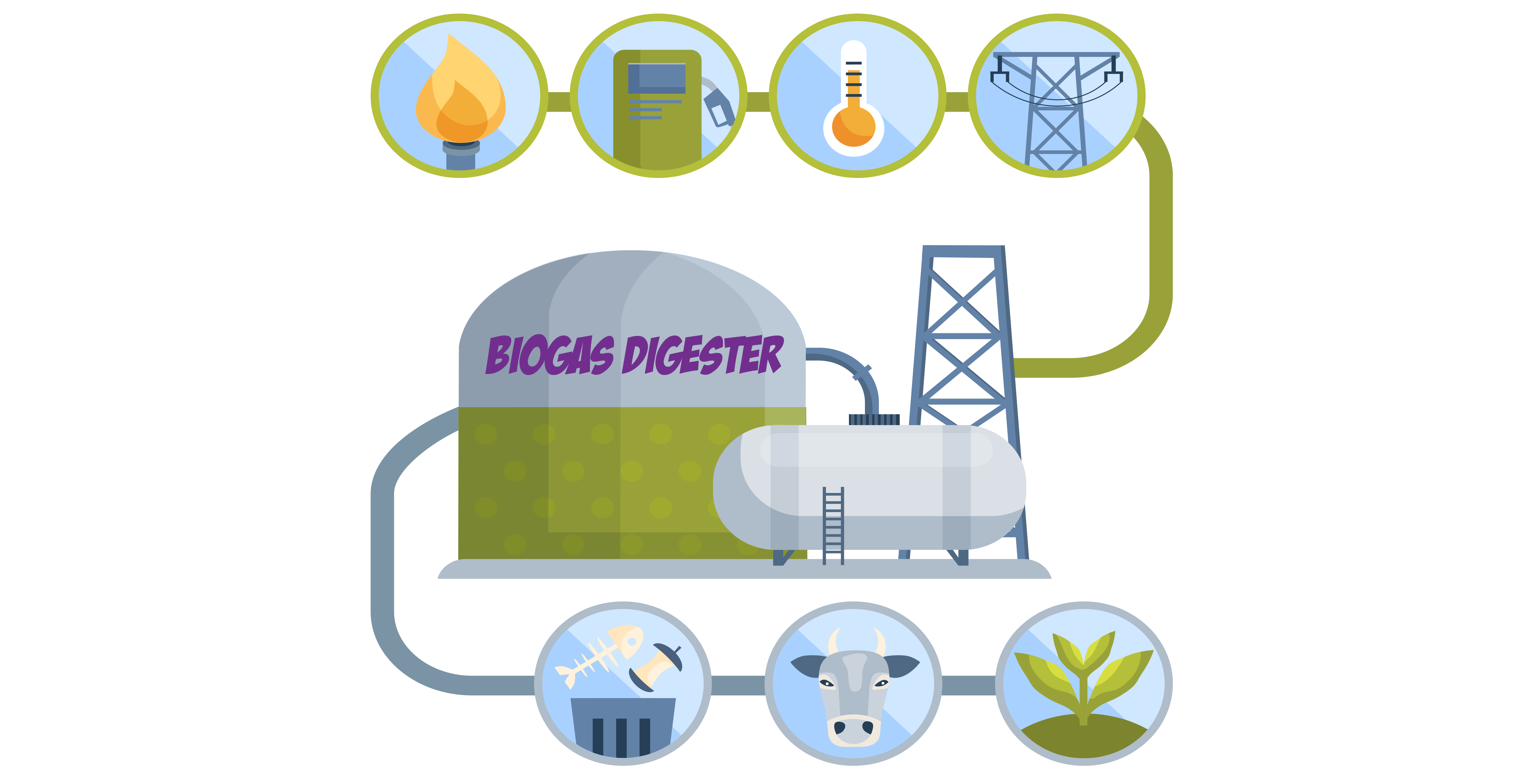
Biogas is utilised as a RENEWABLE energy source, often burned as a fuel for heating, cooking, lighting, or powering turbines to generate electricity.