
Speciation
A species is defined as a group of SIMILAR ORGANISMS that REPRODUCE to form FERTILE OFFSPRING.
SPECIATION is the formation of a NEW SPECIES.
It occurs when groups within a species become so genetically diifferent that they CANNOT INTERBREED to produce FERTILE OFFSPRING.
Speciation Steps
1. ISOLATION occurs when populations of a species are separated by a PHYSICAL BARRIER such as mountains or the sea, leading to GEOGRAPHIC ISOLATION.
2. Conditions on either side of the barrier are different, leading to each population adapting to DIFFERENT ENVIRONMENTS.
3. Each isolated population shows GENETIC VARIATION because of the diverse ALLELES.
4. Populations adapt to their specific environments; those with traits that offer better chances of survival and reproduction (NATURAL SELECTION) end up INCREASING in numbers.
5. Over time, these changes accumulate to a point where the separated populations can no longer interbreed successfully to form FERTILE OFFSPRING.
6. This is when they become DIFFERENT species.
Wallace and the Theory of Speciation
ALFRED RUSSEL WALLACE, worked independently to Charles Darwin, and also proposed the theory of EVOLUTION BY NATURAL SELECTION.
Wallace worked WORLDWIDE gathering evidence for the theory of EVOLUTION and he was best known for:
1. His work on WARNING COLOURATION in animals.
2. Developing the theory of SPECIATION with new ideas.
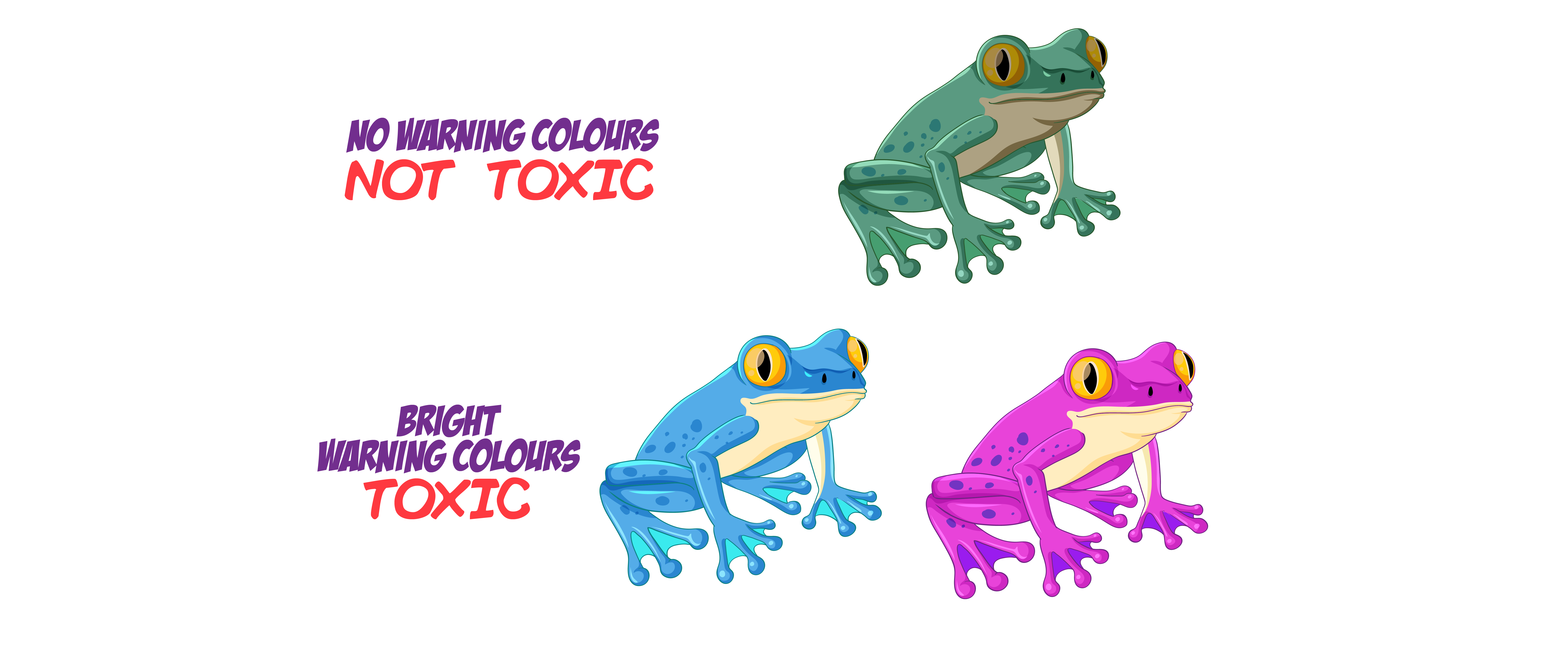
Wallace’s research provided significant evidence supporting NATURAL SELECTION and speciation, which led to him publishing JOINT WRITINGS with CHARLES DARWIN in 1858.
This prompted DARWIN to publish "On the Origin of Species" in 1859 the following year.
More evidence over time has led to our current understanding of the theory of SPECIATION.