Required Practical: Microscopy

MICROSCOPES are tools that allow us to see the unseen world, revealing structures too small for the naked eye.
There are TWO different types of microscopes, each with its own capabilities:
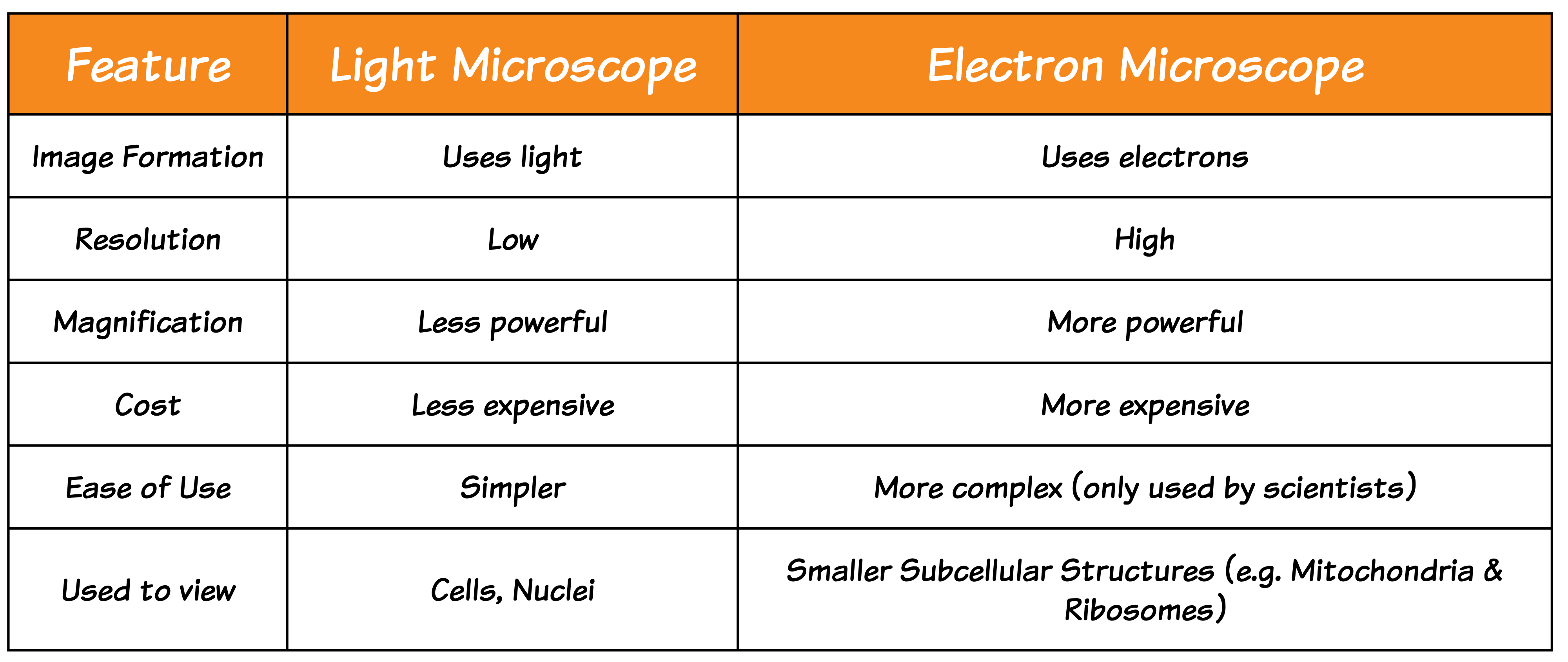
- LIGHT MICROSCOPES use light and lenses to magnify specimens, allowing us to see individual cells and large subcellular structures like NUCLEI.
- ELECTRON MICROSCOPES use electrons to form an image and can magnify much more than light microscopes. They show us the finer details of cell structures like MITOCHONDRIA and CHLOROPLASTS.
Magnification
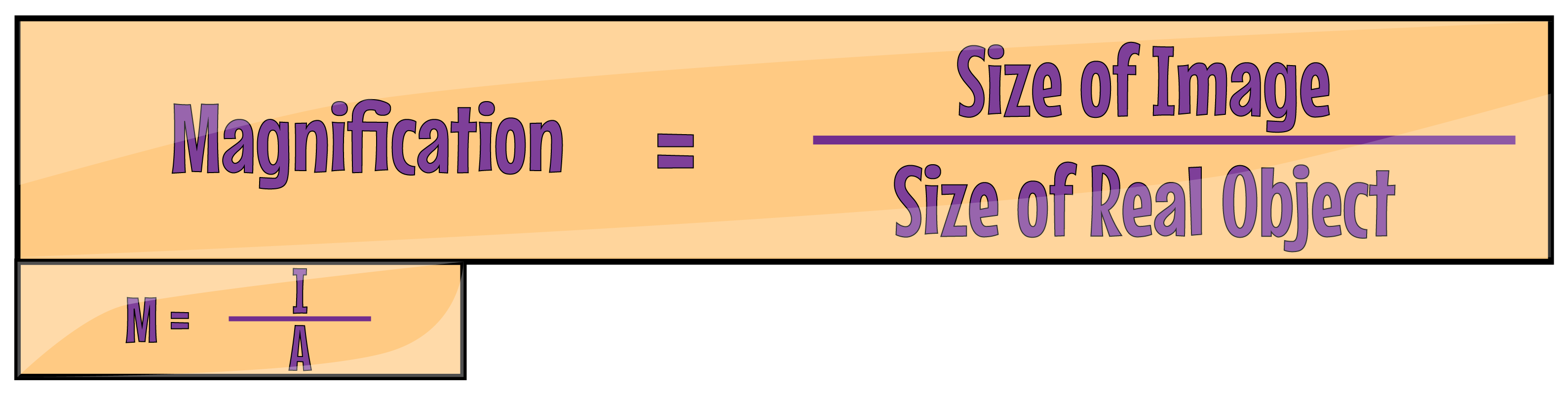
- MAGNIFICATION is how much larger the microscope makes the object appear.
- To calculate magnification, use the formula:
Working with Standard Form
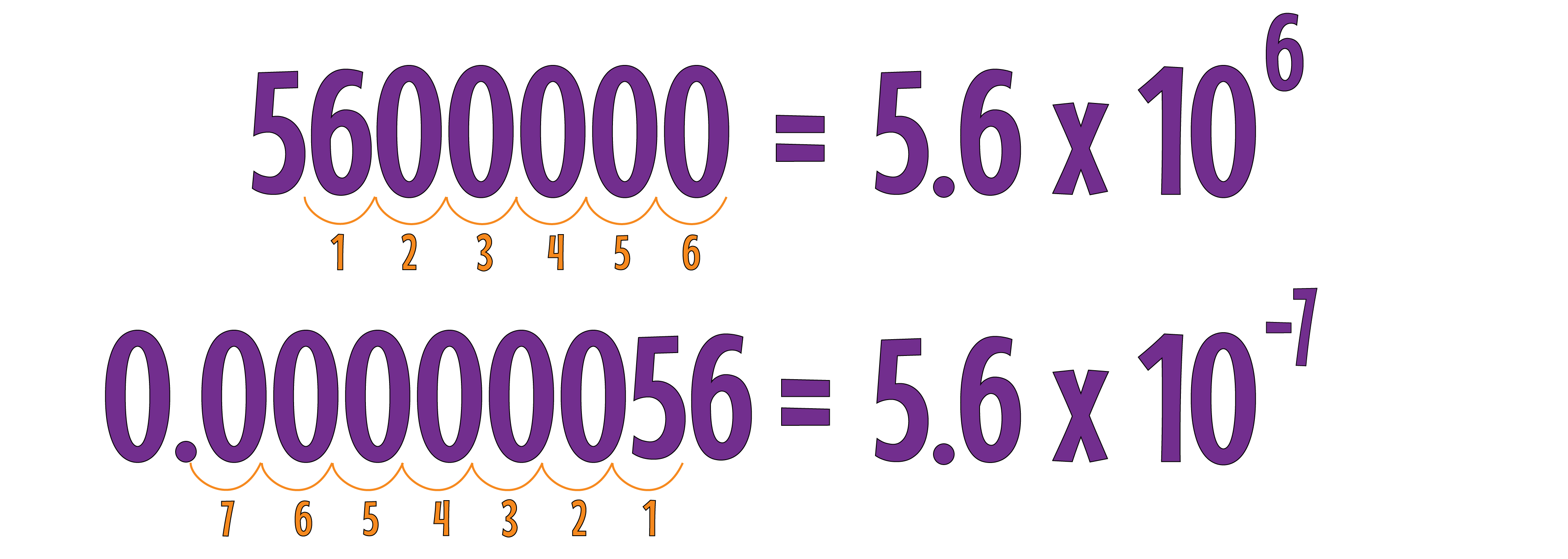
- Microscopes can see very tiny objects, and for this, we often use numbers in STANDARD FORM to handle very large or small numbers.
- To write in standard form, move the decimal point until there's one non-zero digit to the left, then multiply by a power of 10. The power of 10 is positive if the decimal point is moved to the left, and negative if it's moved to the right.
Microscope Calculations
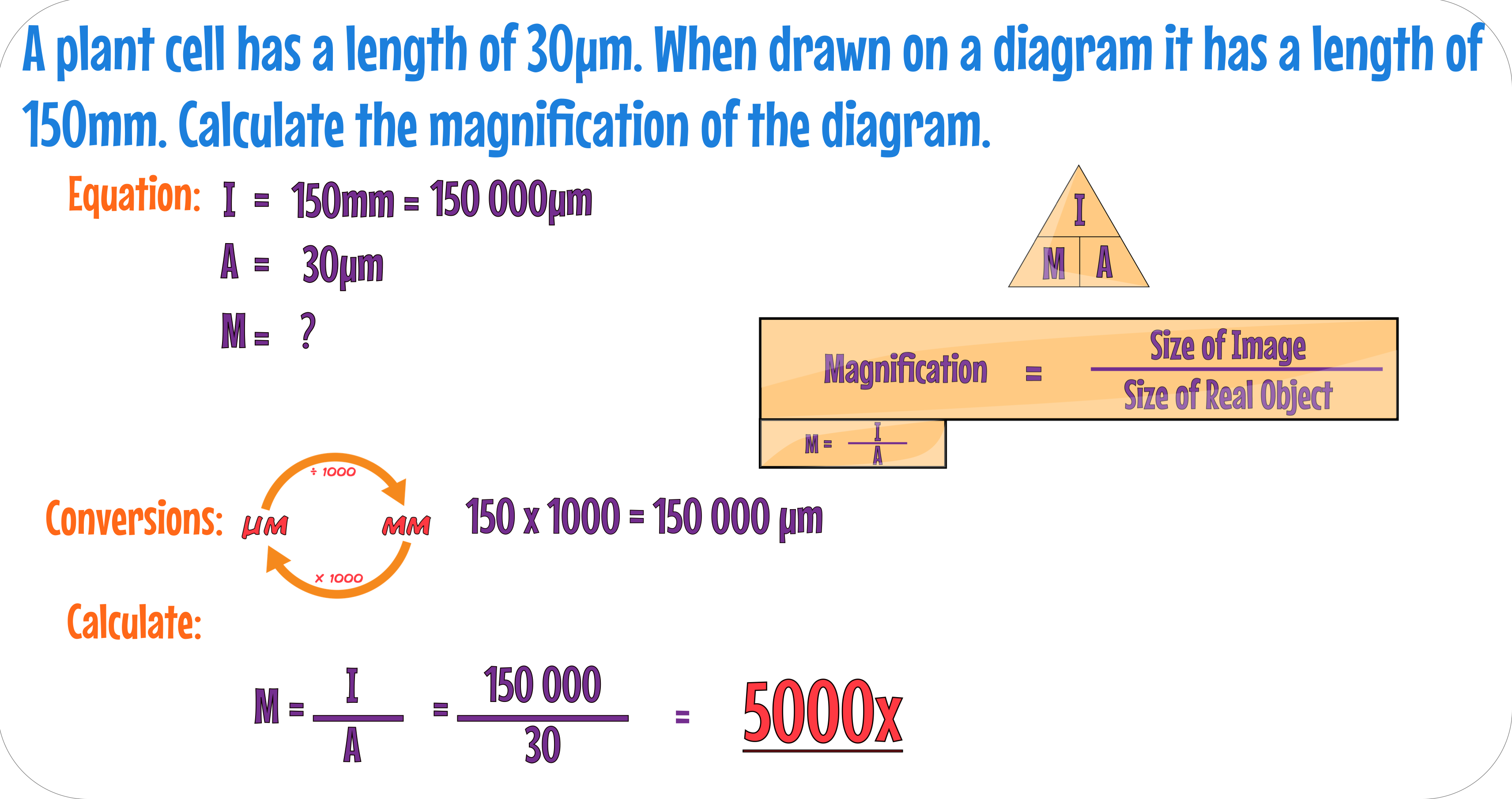
- When solving problems involving microscope measurements, ensure the units are consistent.
- Make sure you know how to convert from Micrometres to Millimetres.

Here is an example of a calculation: