
Energy Resources
Energy resources are used to GENERATE ELECTRICITY.
There are TWO types of ENERGY RESOURCES:
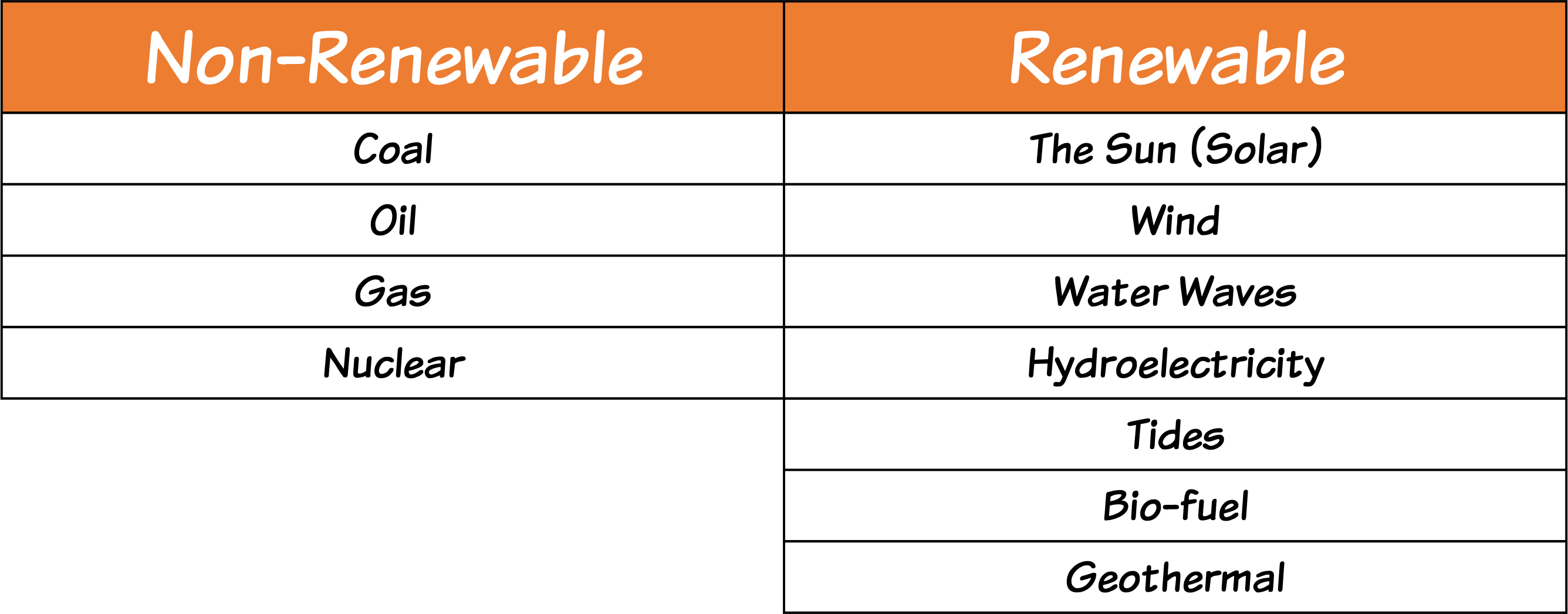
1. NON-RENEWABLE RESOURCES
- These are resources that we have a FINITE amount of, and will eventually RUN OUT of.
- They currently provide the majority of energy in the world.
- Their use usually results in ENVIRONMENTAL DAMAGE.
2. RENEWABLE RESOURCES
- These are resources that are REPLENISHABLE (will not run out).
- They do NOT produce much energy compared to NON-RENEWABLE resources.
- They have MINIMAL impact on the environment, however are generally less reliable than NON-RENEWABLE resources.
NON-RENEWABLE RESOURCES
FOSSIL FUELS

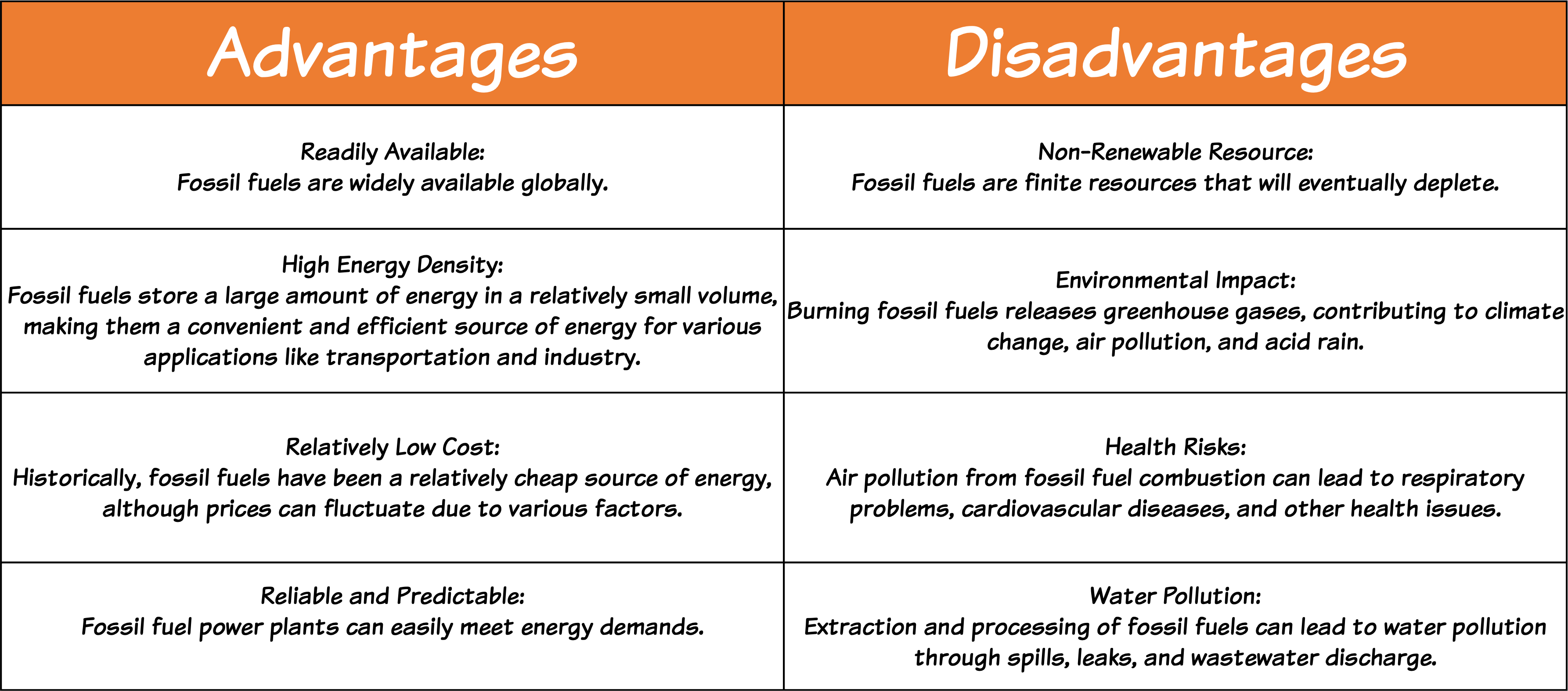
FOSSIL FUELS are energy sources formed from the ancient remains of living organisms. They include COAL, OIL, and NATURAL GAS.
These fuels continue to be a major energy source worldwide due to their HIGH ENERGY CONTENT and ease of EXTRACTION.
Fossil fuels are burned for energy, which can then be used to GENERATE ELECTRICITY.
NUCLEAR FUEL

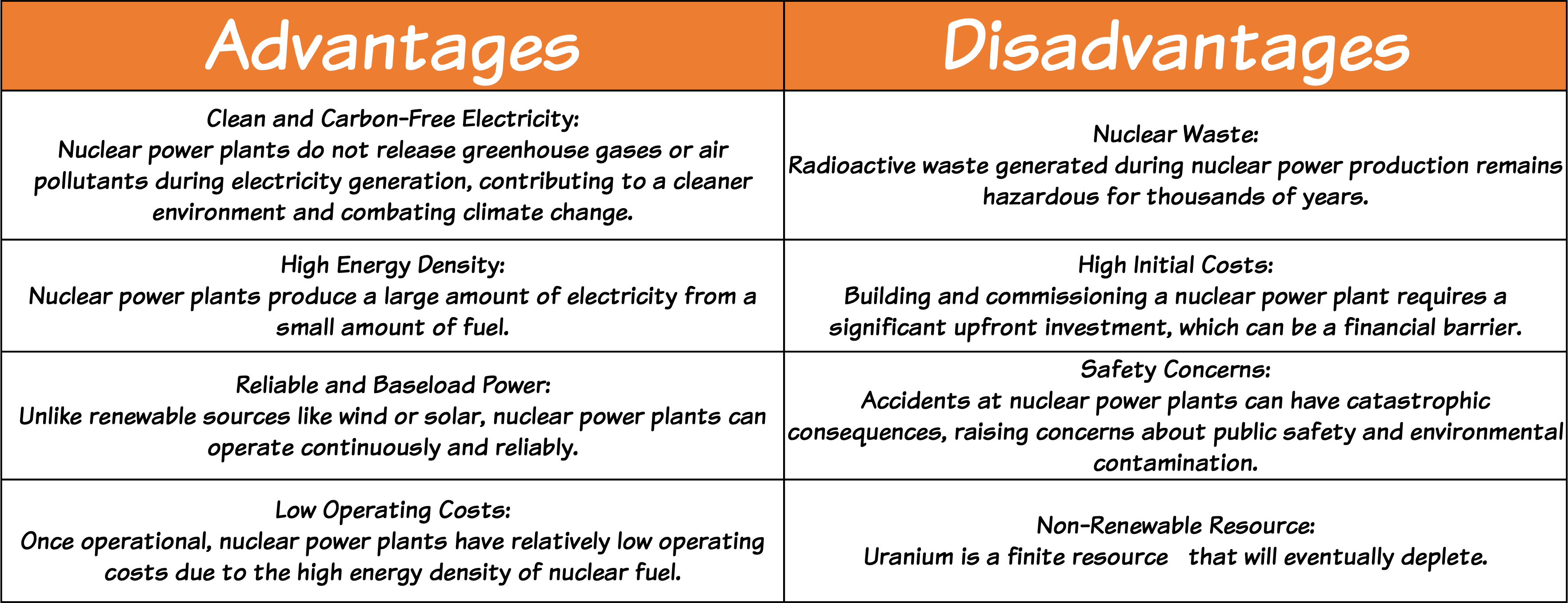
NUCLEAR POWER uses energy from atoms, particularly uranium or plutonium, through a process called nuclear fission.
This process releases a considerable amount of energy, and is then used to heat water, producing steam that drives turbines to generate electricity.
RENEWABLE RESOURCES
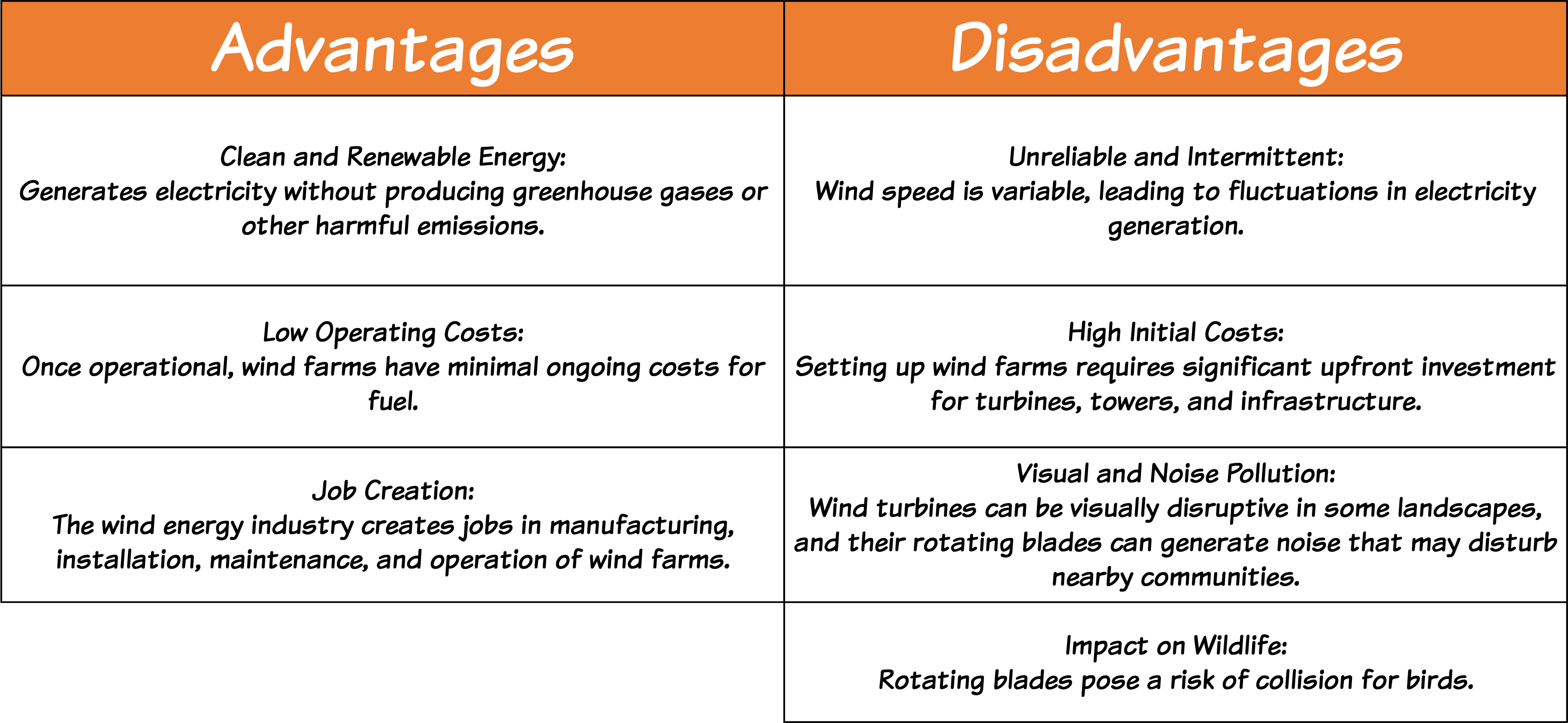
WIND POWER

Wind turbines use the kinetic energy from the wind to generate electricity. As the wind blows, it turns the blades of the turbine, which spins a generator inside the turbine's housing.
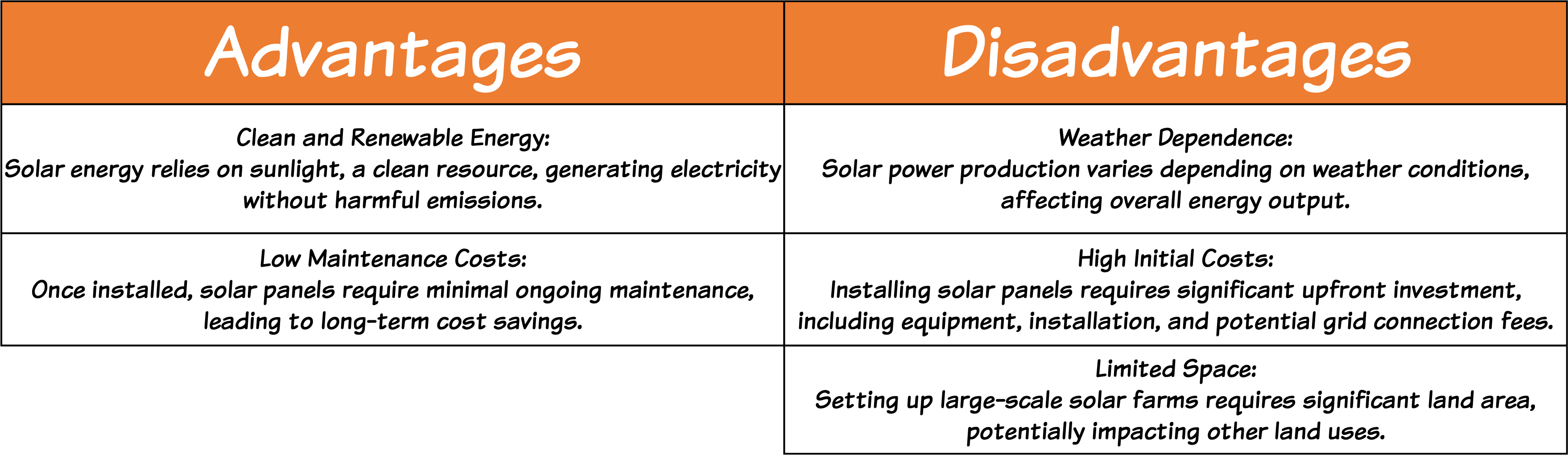
SOLAR CELLS

Solar cells, or photovoltaic cells in solar panels convert sunlight directly into electricity.
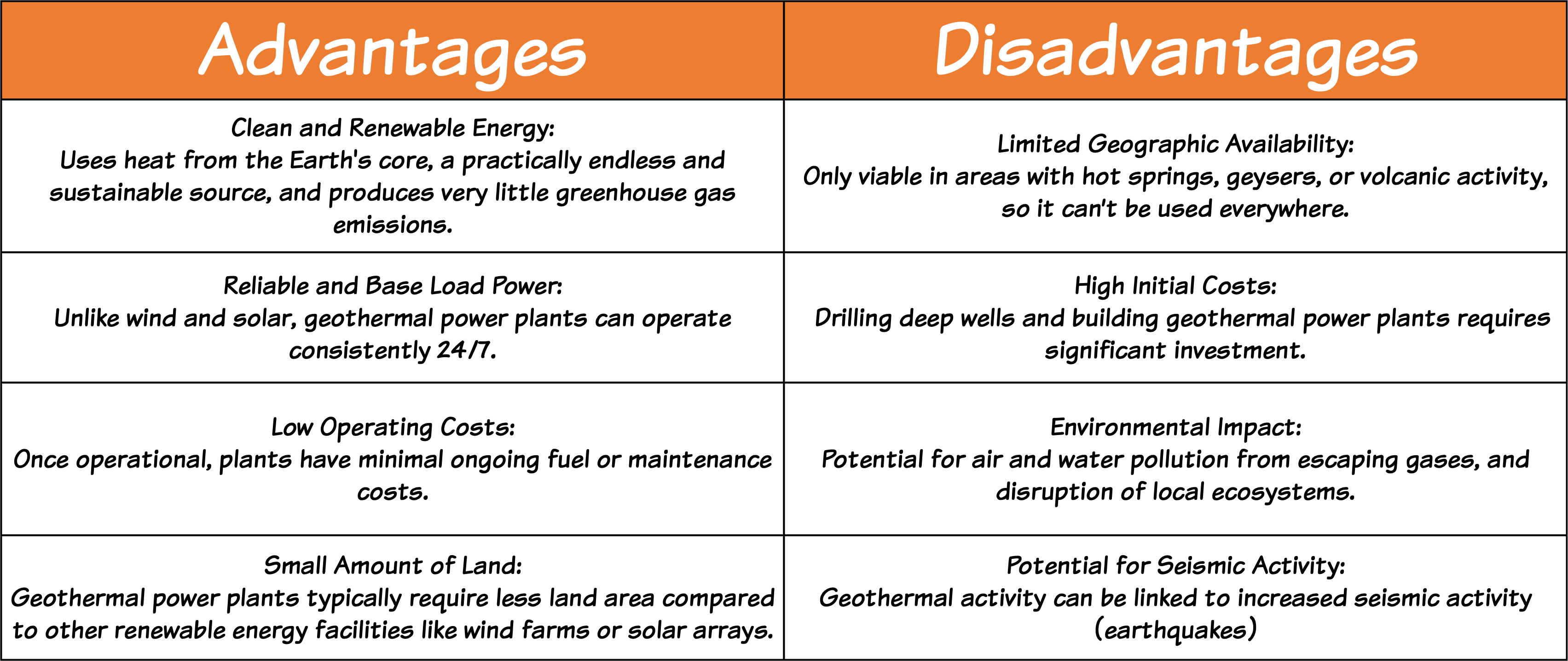
GEOTHERMAL POWER

Geothermal energy harnesses heat from the Earth's interior. Water or other fluids are pumped down to the hot regions, become heated, then return to the surface as steam or hot water. This steam rotates a turbine connected to a generator, producing electricity.
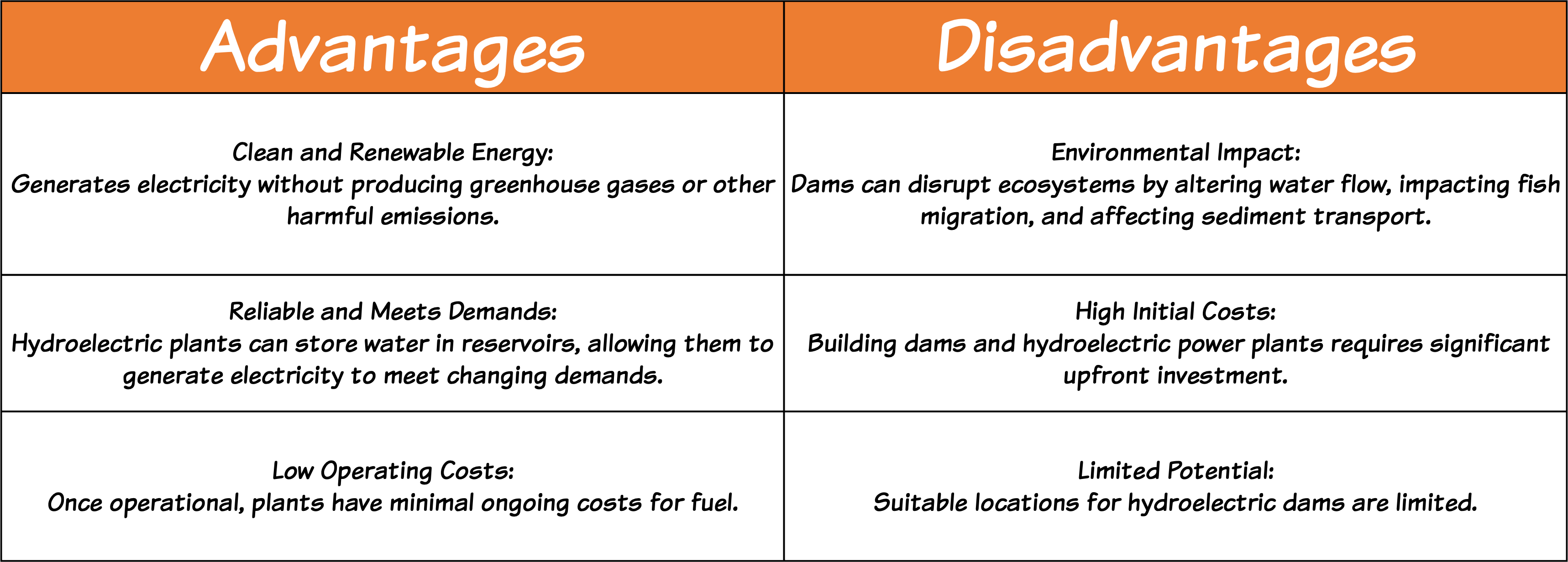
HYDRO-ELECTRIC POWER

This involves flooding a valley for the creation of large water reservoirs behind dams.
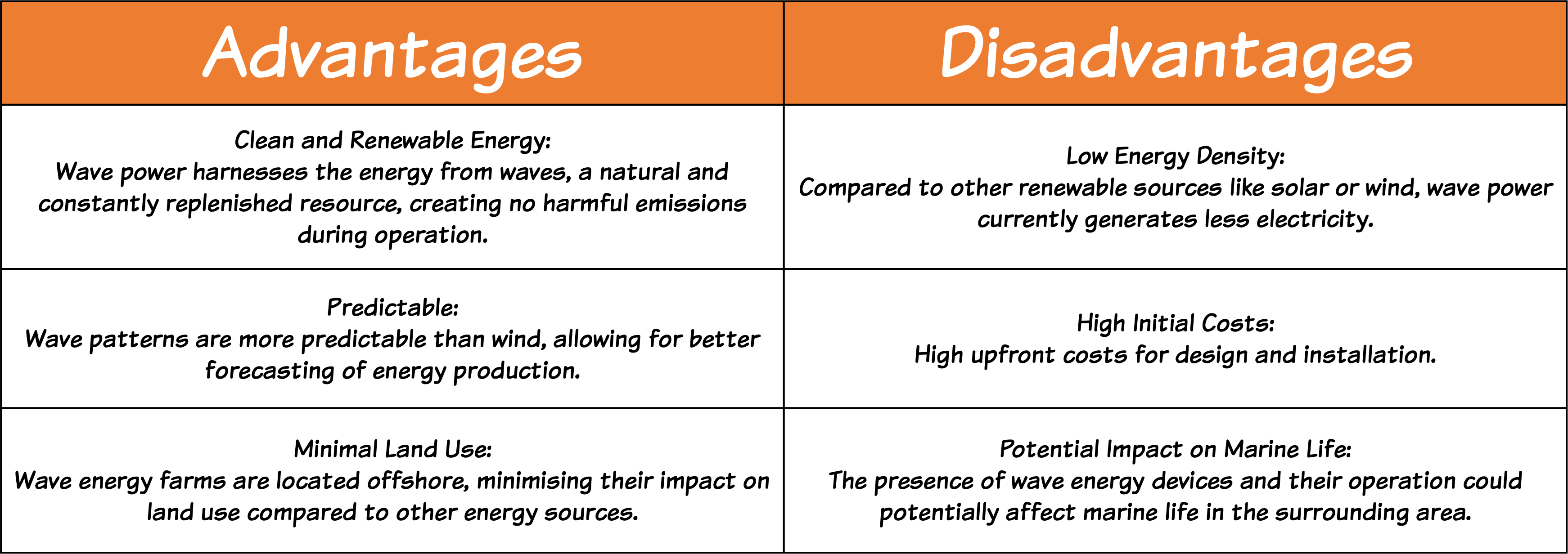
WAVE POWER

This method utilises small wave-powered turbines located around coasts.
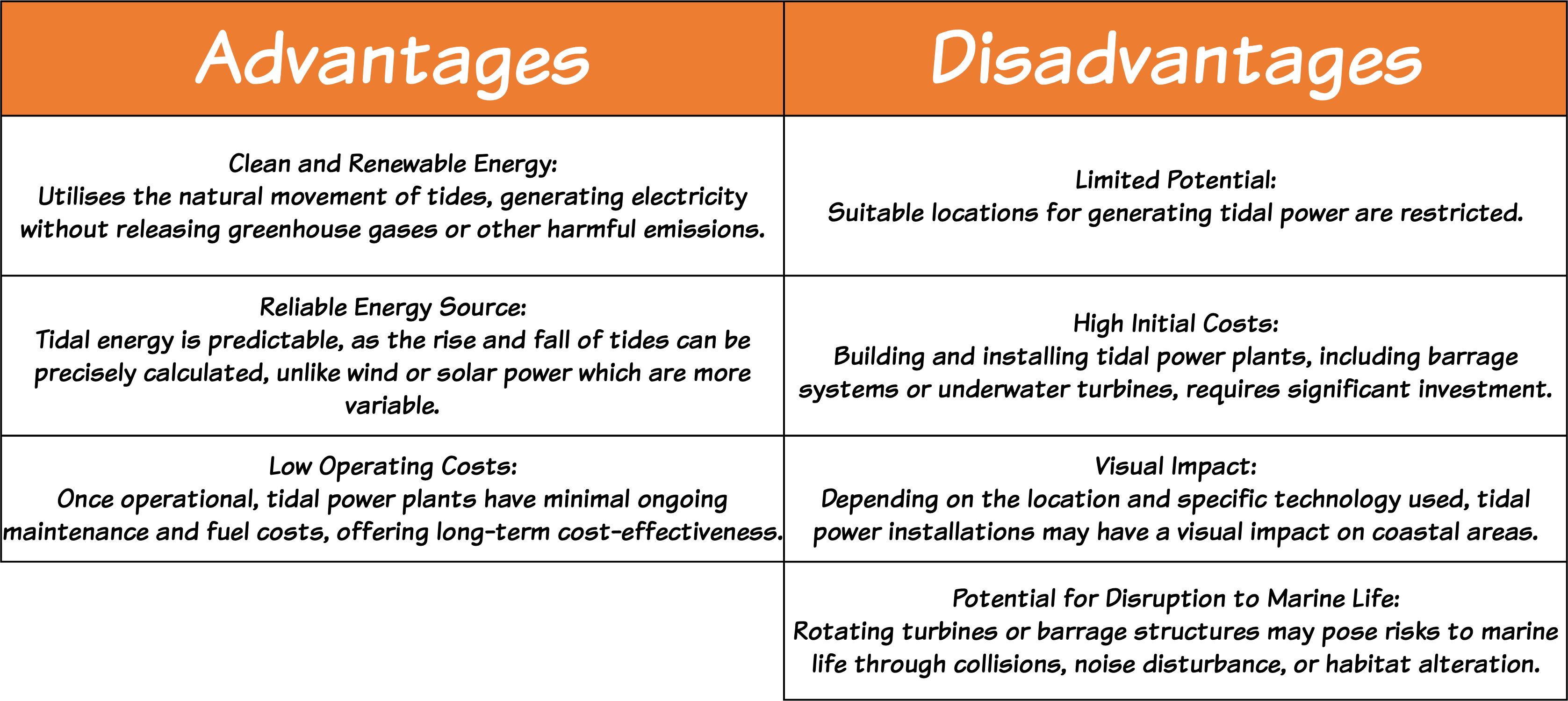
TIDAL BARRAGES

The tides of the oceans go up and down due to the gravitational pull of the Moon and Sun.
Tidal barrages are constructed across rivers, with turbines turning by using the energy from tidal movements.
Bio-Fuel

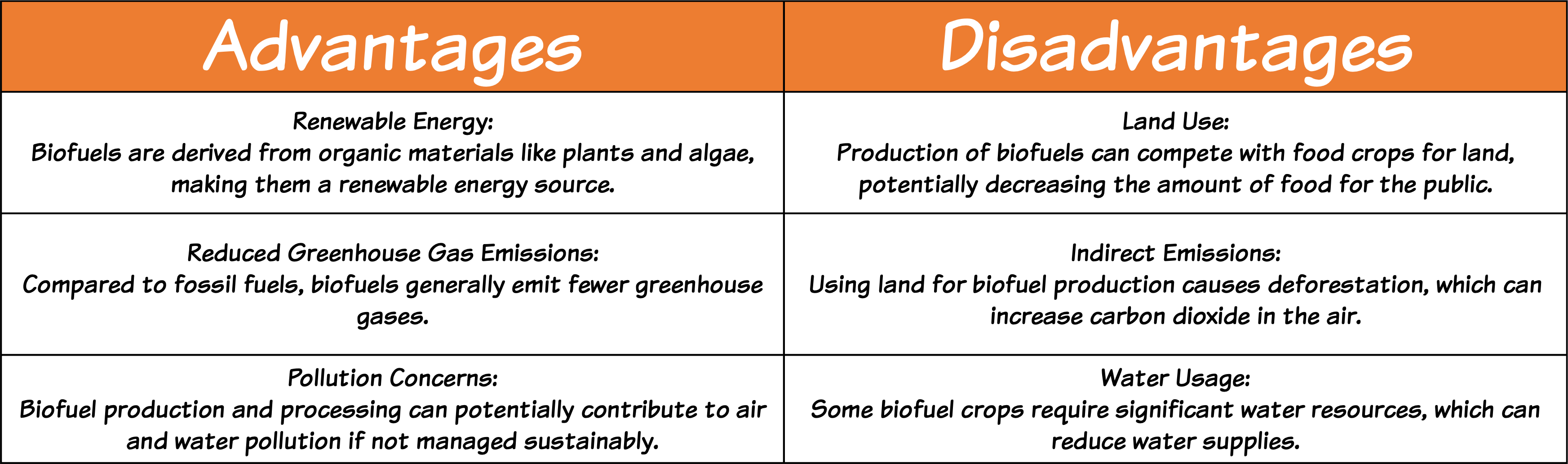
Made from plants and waste, bio-fuels are renewable energy resources that can be produced from organic material.
They are considered CARBON NEUTRAL because the plants they're made from absorb CO2 as they grow, which is then released when burned. This means there is no overall increase in CO2 in the atmosphere.
Energy for Transport and Heating
Energy resources are not just used for electricity generation. They can also be used for TRANSPORT and HEATING.

USING ENERGY FOR TRANSPORT

- NON-RENEWABLE: Vehicles predominantly run on PETROL and DIESEL, derived from OIL.
- RENEWABLE: Vehicles can use BIO-FUEL or a mix of bio-fuel and petrol or diesel. Electric trains and cars use electricity that can be generated from renewable sources.
USING ENERGY FOR HEATING

- NON-RENEWABLE: The most common non-renewable resource for heating is NATURAL GAS, used in BOILERS to warm water, which then heats homes through RADIATORS.
- RENEWABLE: GEOTHERMAL sources can heat water for use in radiators. SOLAR water heaters use the Sun's energy, and heat pumps use heat from the ground or air, both of which are powered by renewable energy.
SCIENCE & ENVIRONMENTAL CHALLENGES
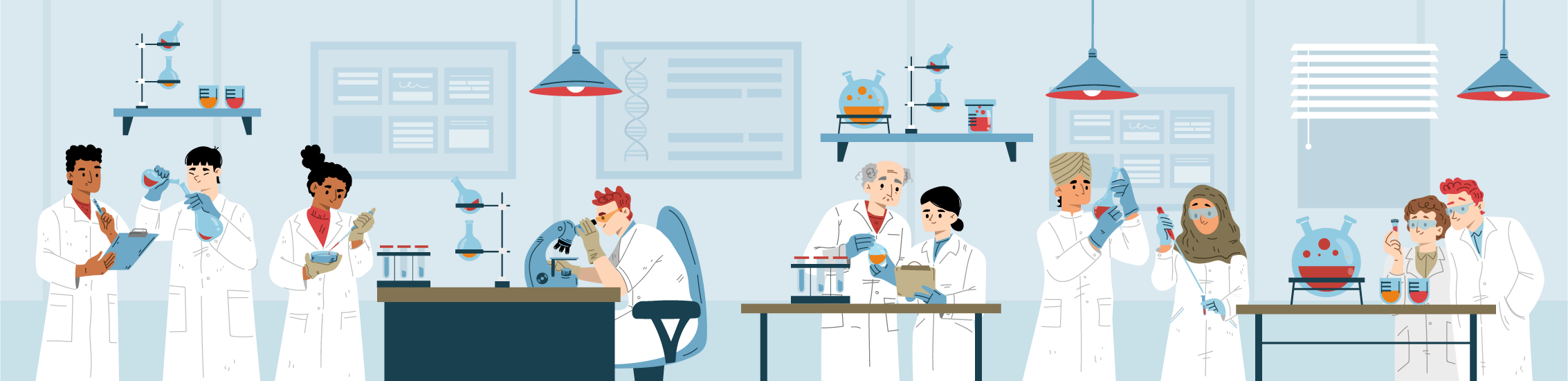
SCIENCE plays a crucial role in pinpointing environmental problems caused by energy use. Scientists use RESEARCH and MONITORING to uncover how different energy resources affect the planet. They can detect issues like pollution and suggest ways to lessen these effects.
For instance, CARBON CAPTURE TECHNOLOGY is a method to trap CO2 emissions from factories before they reach the atmosphere, helping to combat GLOBAL WARMING. Similarly, science can propose safer ways to handle NUCLEAR WASTE, which remains hazardous for thousands of years, to prevent soil and water contamination.
Yet, solving environmental problems isn’t just about having the scientific know-how. It involves navigating through various other factors:
-
POLITICAL: Governments need to create and enforce LAWS that protect the environment. This means they might limit harmful emissions or support CLEAN ENERGY PROJECTS.
-
SOCIAL: People have to back efforts to use energy wisely and support green initiatives. Public opinion can push for changes like RECYCLING PROGRAMMES or buying ELECTRIC CARS.
-
ETHICAL: It's about being FAIR. It's not right if one country gets all the clean energy while another suffers pollution. Or if future generations inherit a damaged earth because of our energy choices today.
-
ECONOMIC: Environmental solutions must be COST-EFFECTIVE. If a green technology is too expensive, it won’t be used widely. Economies need solutions that are AFFORDABLE to make a lasting change.
Science gives us the tools to identify and fix environmental issues from energy use. However, for these solutions to work, they need to be backed by supportive policies, public approval, moral responsibility, and economic practicality.