
Biodiversity
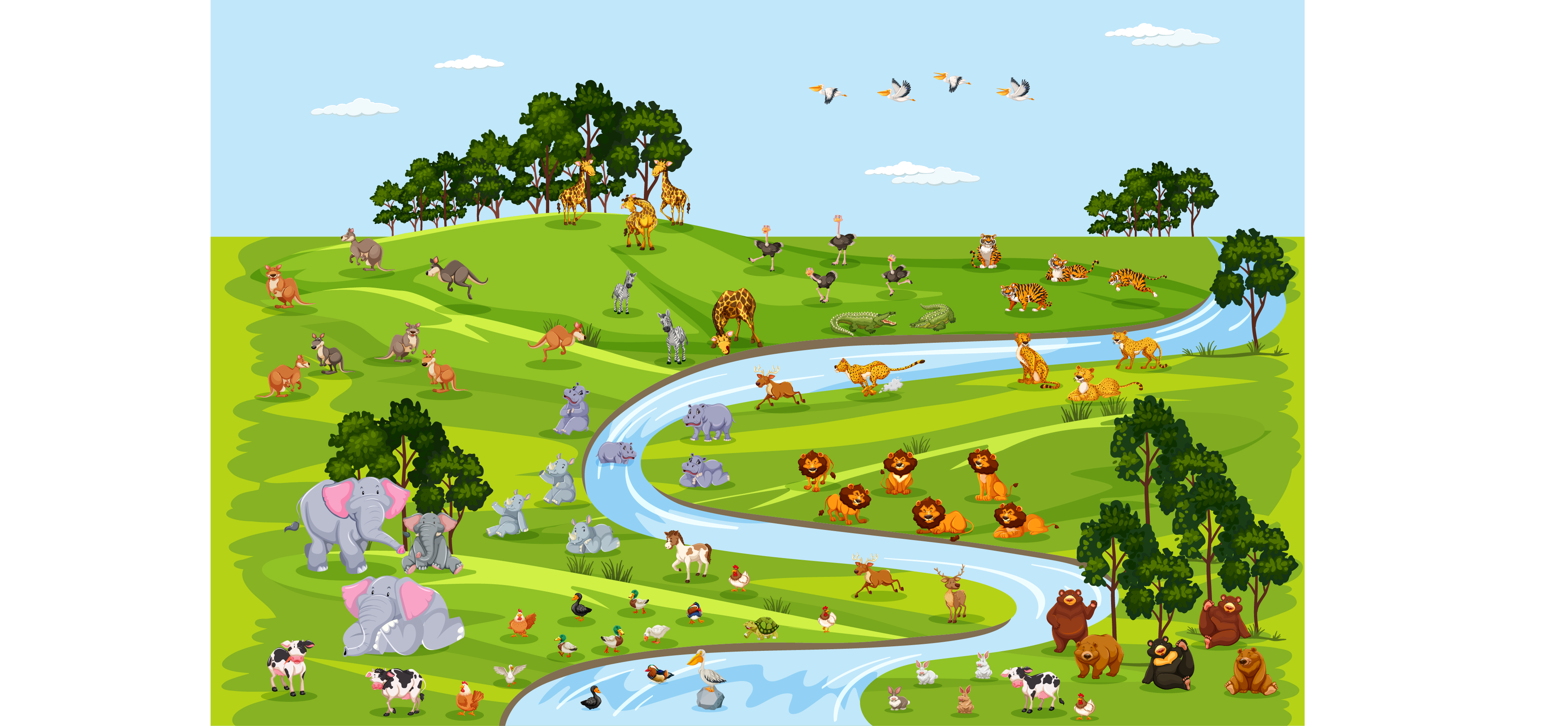
BIODIVERSITY is the VARIETY of different organisms on EARTH, or in an ECOSYSTEM.
- HIGH BIODIVERSITY is crucial for the STABILITY of ECOSYSTEMS so that they can function effectively.
- It reduces the DEPENDENCE of one species on another for FOOD and SHELTER.
- Maintaining biodiversity is vital for HUMAN SURVIVAL. It affects resources like clean air and water, fertile soil for crops, and materials for shelter and clothing.
- Human activities have caused us to face ENVIRONMENTAL CHALLENGES such as GLOBAL WARMING and DEFORESTATION.
- These are major threats to biodiversity, but efforts are being made to mitigate these impacts.
Population Growth and Environmental Impact
- The global HUMAN POPULATION is increasing rapidly due to advancements in MEDICINE, FARMING and STANDARDS OF LIVING.
- While this has benefits like reduced DEATHS from disease and hunger, it also puts pressure on the ENVIRONMENT as people consume more resources to meet these survival needs and improve the STANDARD OF LIVING.
- The demand for RAW MATERIALS for luxuries (such as cars and devices) and necessities is increasing, which includes the EXTRACTION and use of METALS, FOSSIL FUELS, and other NON-RENEWABLE resources.
- These materials are being used up faster than they are being replaced, making them NOT SUSTAINABLE.