
Adaptations
ADAPTATIONS are the special features that allow organisms, including MICROORGANISMS, to survive in their unique environmental CONDITIONS.
There are THREE types of ADAPTATIONS:
1. STRUCTURAL ADAPTATIONS:
These involve PHYSICAL ATTRIBUTES of an organism, such as body shape and colour, which aid in survival.
For example:
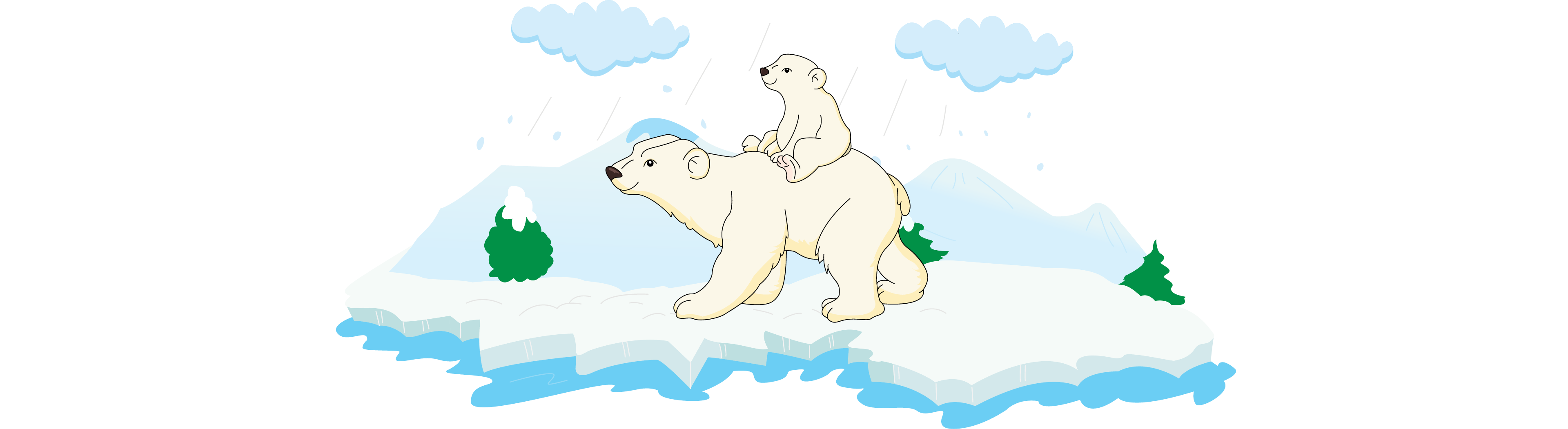
- POLAR BEARS have WHITE FUR for CAMOUFLAGE against SNOW.
- CACTI have SPINES instead of leaves to reduce WATER LOSS due to TRANSPIRATION in hot climates.
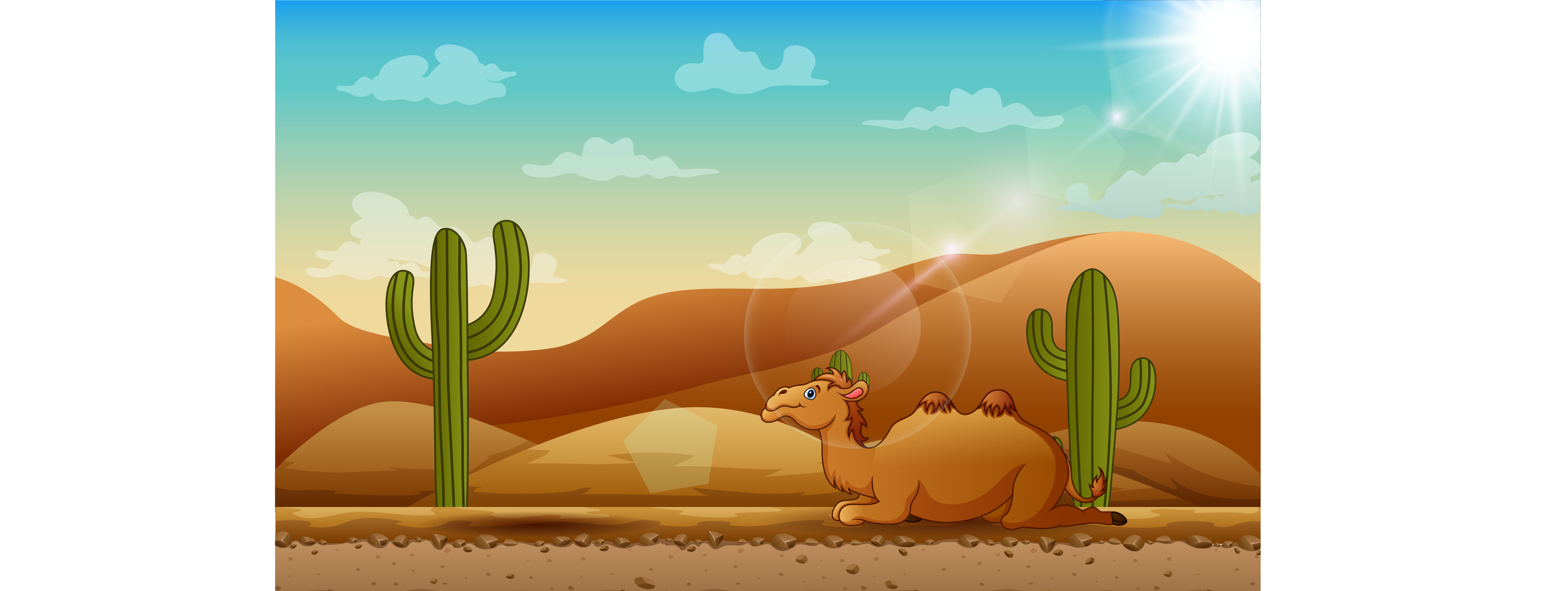
- CAMELS have a thin layer of FAT and a large SURFACE AREA TO VOLUME RATIO to dissipate heat in hot environments.
- WHALES possess a thick layer of BLUBBER and a low SURFACE AREA TO VOLUME RATIO for heat retention.

2. BEHAVIOURAL ADAPTATIONS:
These are ACTIONS organisms take to survive.
For instance:
- Many BIRDS MIGRATE to warmer regions during winter to escape cold conditions.
- Animals like bears HIBERNATE to conserve energy when food is scarce.

3. FUNCTIONAL ADAPTATIONS:
These are internal process adaptations related to an organism’s BODILY FUNCTIONS, such as metabolism and reproduction.
For example:
- DESERT ANIMALS conserve water by producing very LITTLE SWEAT and CONCENTRATED URINE.
EXTREMOPHILES
Some BACTERIA are known as EXTREMOPHILES and have adapted to live in extreme conditions.
Examples include:
- Bacteria living in VOLCANIC VENTS can survive in very HIGH TEMPERATURES.
- Bacteria living in DEEP SEA VENTS can survive in very HIGH PRESSURE.
- Bacteria living in SALINE LAKES can survive in very HIGH SALT CONCENTRATIONS.