
Types of Pathogens
Communicable diseases are diseases that can SPREAD between organisms
They are caused by PATHOGENS, which are microorganisms that can invade and harm the body.
There are FOUR types of pathogens:
1. BACTERIA:
- These are very small living cells that can reproduce rapidly inside your body.
- They can cause illness by producing poisins called TOXINS.
2. VIRUSES:
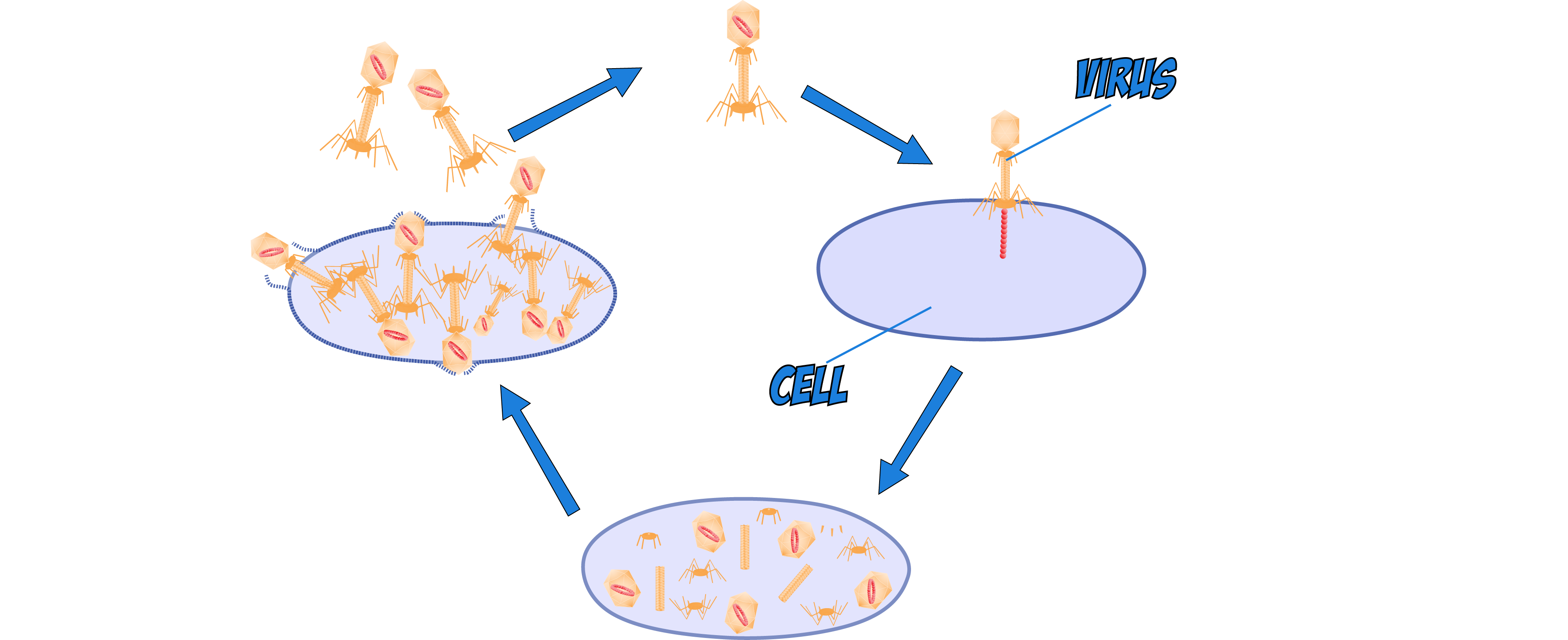
- Much smaller than bacteria, viruses are NOT cells.
- They invade and reproduce INSIDE body cells. Once the cell is full of viruses, it BURSTS and releases them to attack other cells
- The damage to your cells during this process can make you feel unwell.
3. PROTISTS:
- These SINGLE-CELLED EUKARYOTES can live as PARASITES, which means they may live on or inside other organisms and can cause harm.
- They are often transferred to the host by a VECTOR, like a mosquito, which itself does not get the disease.
4.FUNGI:
- These organisms can be single-celled or multi-celled
- Multi-celled fungi have a body made of HYPHAE; Structures that can cause infections by penetrating human skin or plant surfaces.
- Hyphae can produce SPORES which aid in their spread to other plants and animals.