
Cardiovascular Disease
These are diseases which are related to the CIRCULATORY SYSTEM.
Coronary Heart Disease
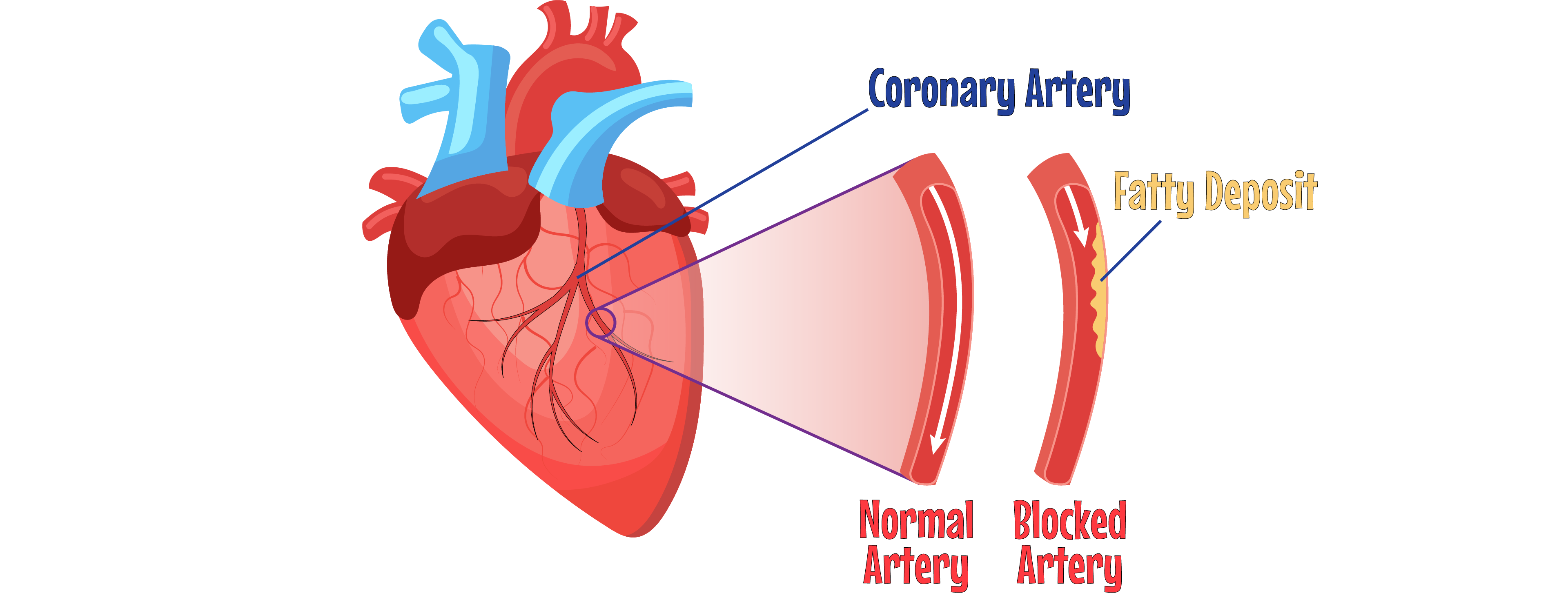
Coronary heart disease (CHD) is a significant health condition where the CORONARY ARTERIES (the blood vessels supplying oxygen-rich blood to the heart muscle) become narrowed by a gradual build-up of FATTY MATERIAL. This condition can lead to chest pain, shortness of breath, and in severe cases, HEART ATTACKS.
Treating CHD
1. Stents
- A STENT is a device used to keep coronary arteries OPEN, ensuring adequate blood flow to the heart.
- They are typically made of metal mesh and are inserted into clogged arteries.
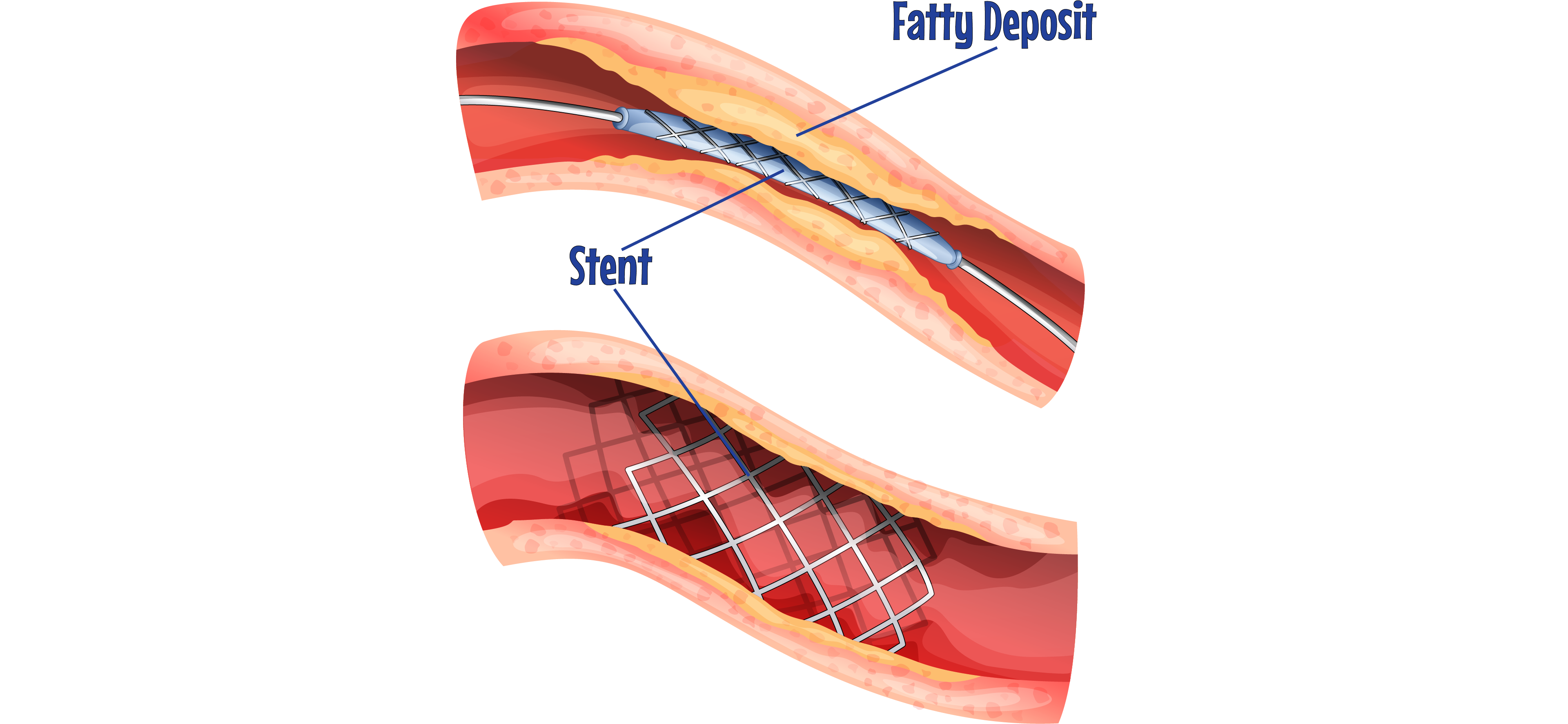
- Stents can reduce the symptoms of CHD, like chest pain, and help minimise the risk of a heart attack by preventing the artery from re-narrowing.
2. Statins
- STATINS are a class of DRUGS used to lower cholesterol levels in the blood, particularly the 'bad' LDL cholesterol that contributes to fatty deposit build-up.
- By reducing LDL levels, statins help to slow the progression of CHD and can also stabilise existing fatty deposits, making it less likely to cause a heart attack.

Advantages of Statins
- Statins are proven to decrease the chances of STROKE and HEART DISEASE.
- They contribute to increasing 'good' cholesterol, which helps remove bad cholesterol from the body.
Disadvantages of Statins
- Regular, long-term medication is required, which means they must be taken as prescribed without interruption.
- Potential SIDE EFFECTS may impact patients' well-being and can range from mild to severe.
- The positive effects of statins on cholesterol levels are gradual and require time to become significant.
3. Artificial Hearts
- ARTIFICIAL HEARTS may be utilised when a patient's heart has failed and a heart transplant isn't immediately available or suitable.
- These devices are typically a temporary solution but can sometimes be permanent.
- The key benefit is REDUCED RISK OF REJECTION by the body's immune system because they are made from MAN-MADE materials, unlike donor hearts.
- However, there are risks of BLEEDING and INFECTION.
- Mechanical parts of the artificial heart can wear out, and the electrical motor could fail.
4. Valve Replacement Therapies
- Damaged or faulty heart valves can be replaced with BIOLOGICAL or MECHANICAL valves.
- Biological valves are derived from other mammals, like cows or pigs.
- Mechanical valves are man-made and durable.
- Valve replacement is significant surgery but less so than heart transplantation.